Drying and curing: why nail coatings harden differently
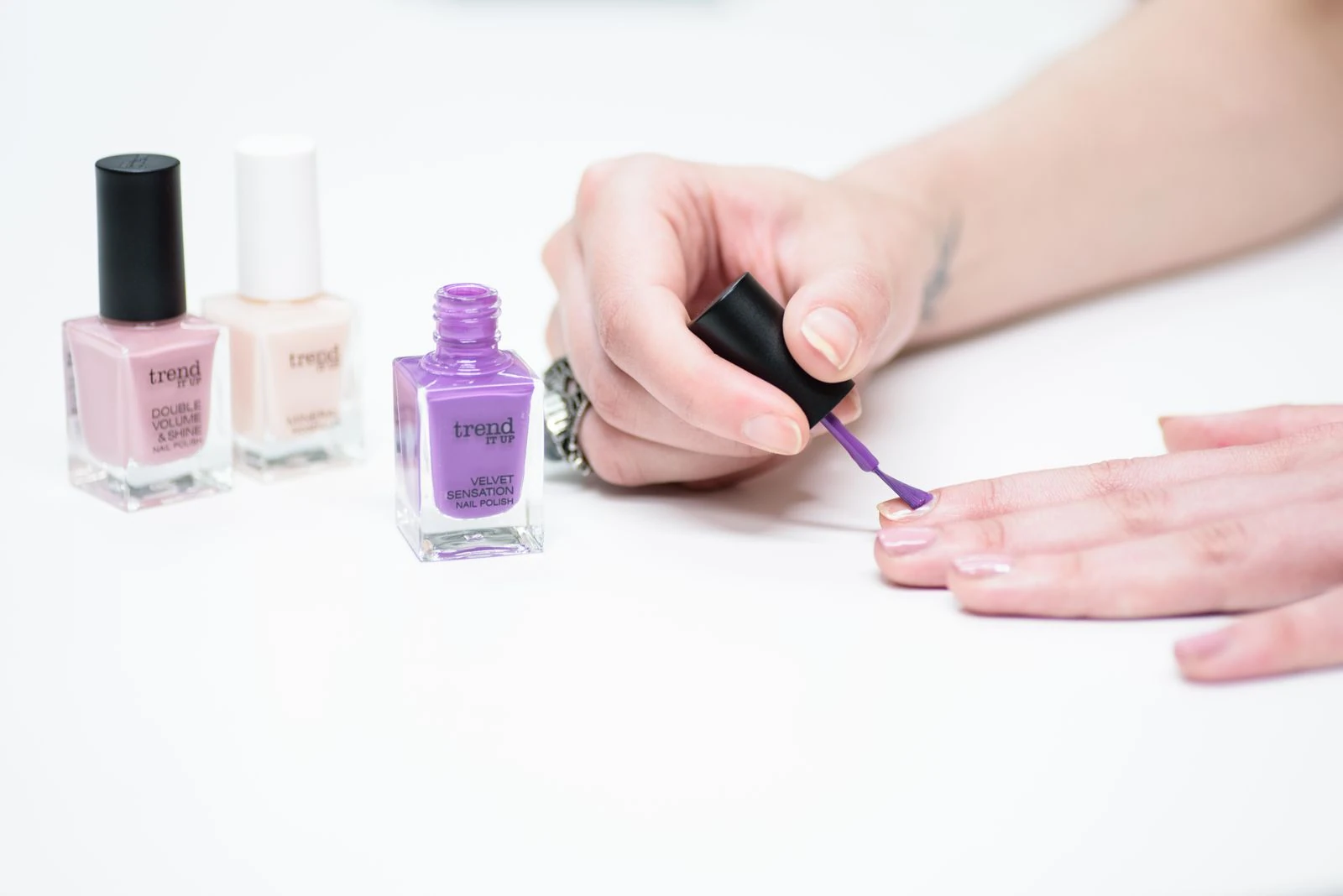
Air drying and curing describe different ways a nail coating becomes solid. In a conventional solvent-based polish, solvents evaporate and leave a film. In a reactive gel system, polymerisation changes the molecular structure. Similar-looking finishes do not establish the same underlying process. [1][2]
KEY TAKEAWAYS
What happens when polish dries
In its explanation of conventional nail polish, NailKnowledge describes volatile solvents keeping the formula fluid and then leaving as it dries. Film-forming material remains on the nail. The explanation concerns this type of polish; it is not a claim that every product called “polish” has an identical formula. [1]
What happens when a gel cures
In a light-curable gel, a photoinitiator absorbs suitable light energy and starts reactions that link reactive building blocks into a polymer network. NailKnowledge’s UV Gel Explained describes monomers and oligomers as those building blocks. Light therefore initiates a chemical change; it is not simply evaporating solvent from a conventional lacquer. [2]
A hard surface does not measure remaining monomer
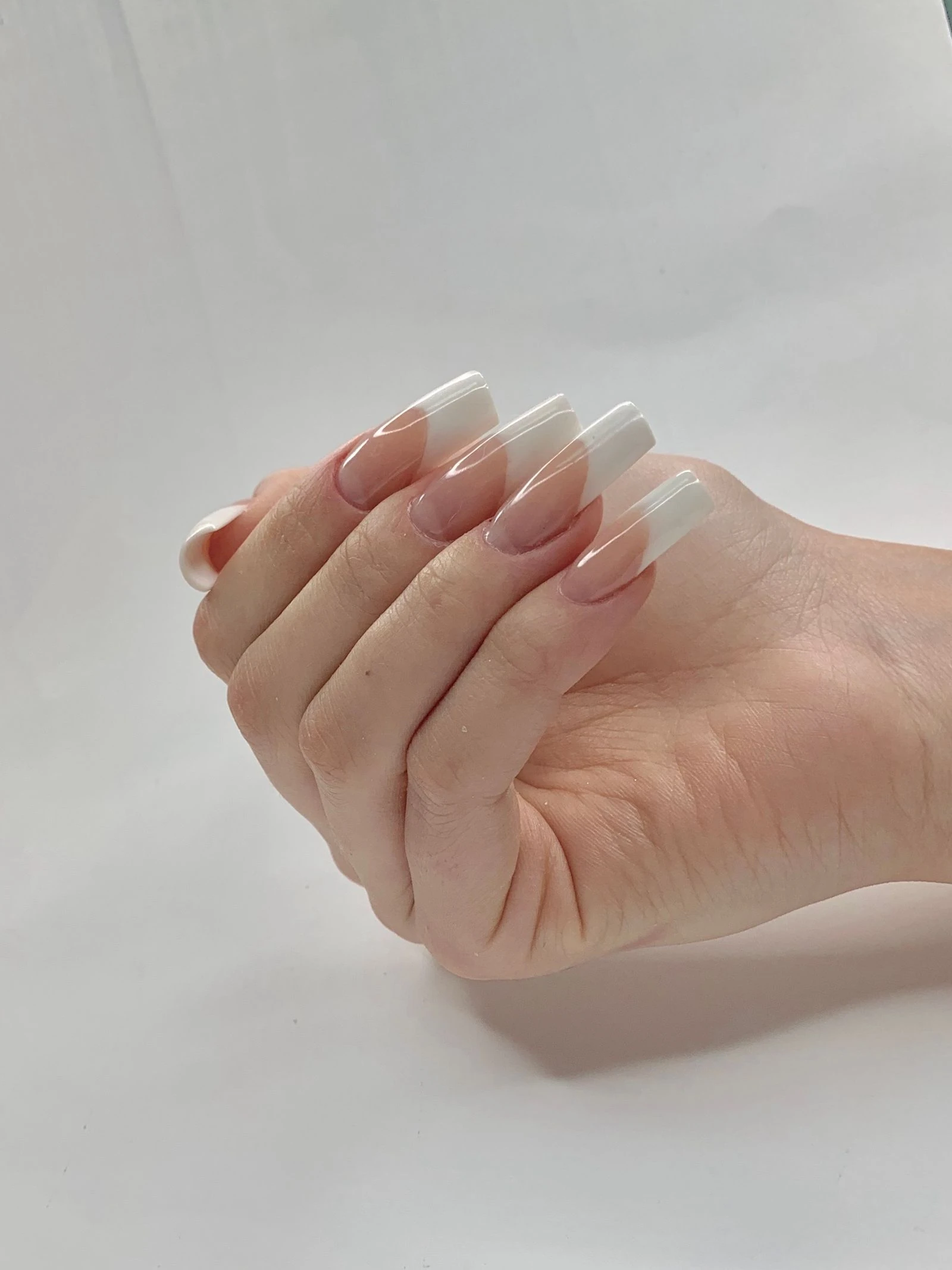
Chemical conversion concerns how much reactive material has reacted. A gel can form a firm network while some monomers or oligomers remain unreacted. NailKnowledge distinguishes the appearance of hardness from this chemical conversion. A photograph or a dry-to-touch observation cannot quantify the remaining monomer. [2]
Which process does the document name?
Read the exact coating type and mechanism: solvent-based lacquer loses solvent; a reactive system forms a polymer through a chemical reaction. Record the named product system beside that description. A matching shade or the broad word polish does not make those mechanisms interchangeable. [1][2]
Article Sources
- NailKnowledge — The Science Behind Regular Nail Polish: How Does It Work?
Industry educational material
Composition of Nail Polish and The Drying Process sections: solvents, polymers and evaporation. Used for concepts, without reproducing an application protocol.
Published:
- NailKnowledge — UV Gel Explained, English v6
Industry educational material
Printed pages 11–12: monomers, oligomers and polymer chains; 13–15: initiation and wavelength-dependent photoactivation; 27–29: hardening versus conversion and unreacted components. Professional education used for qualitative mechanisms only; numerical cure thresholds, catalyst generalisations and clinical or operating advice are excluded. Printed and one-based PDF page numbers match.
Written and reviewed with AI assistance using the linked sources. No hands-on product testing or independent specialist review was performed.
Commercial resource from our ecosystem
Professional nail materials and tools with NailMarket.eu — a shop in our ecosystem.
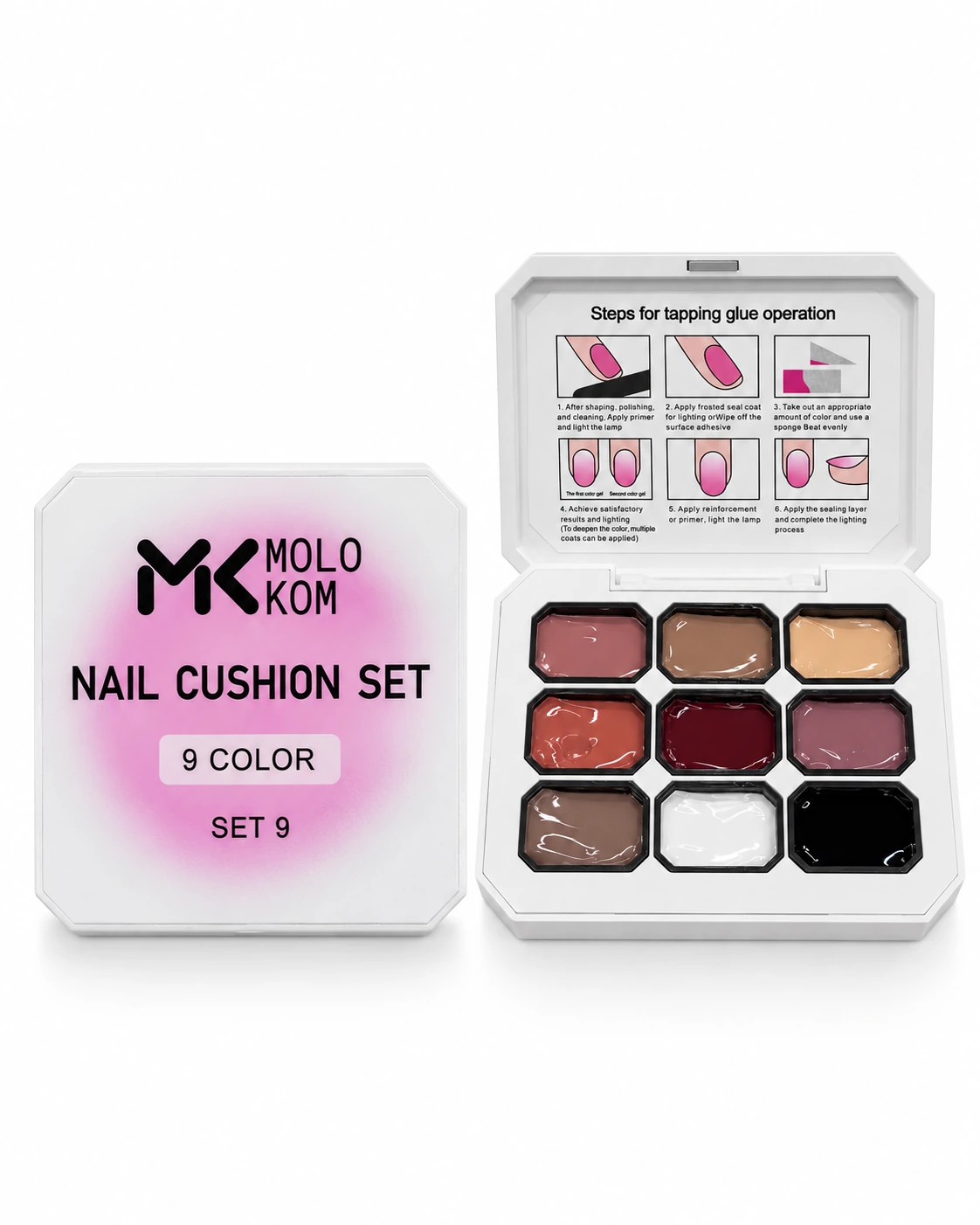
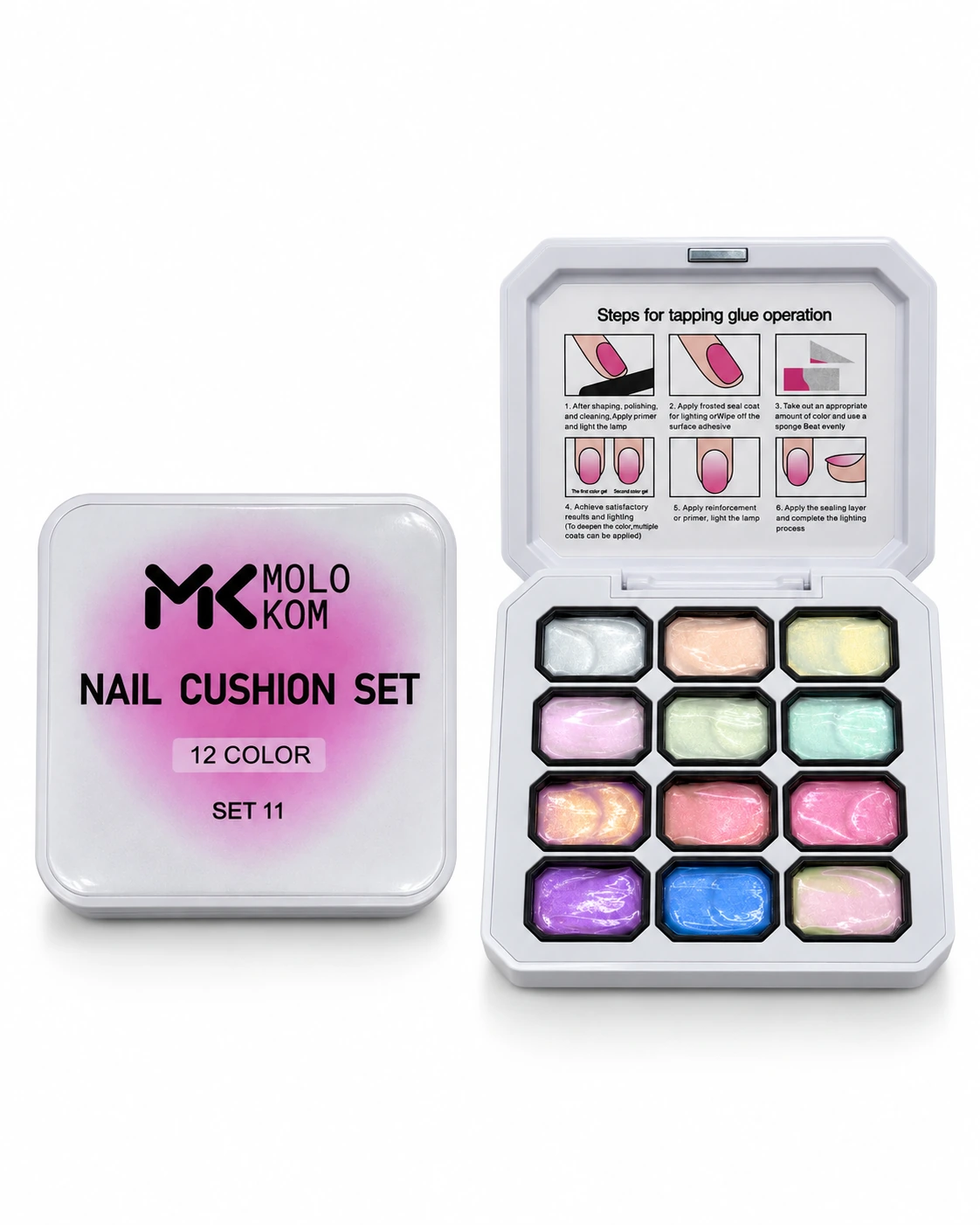
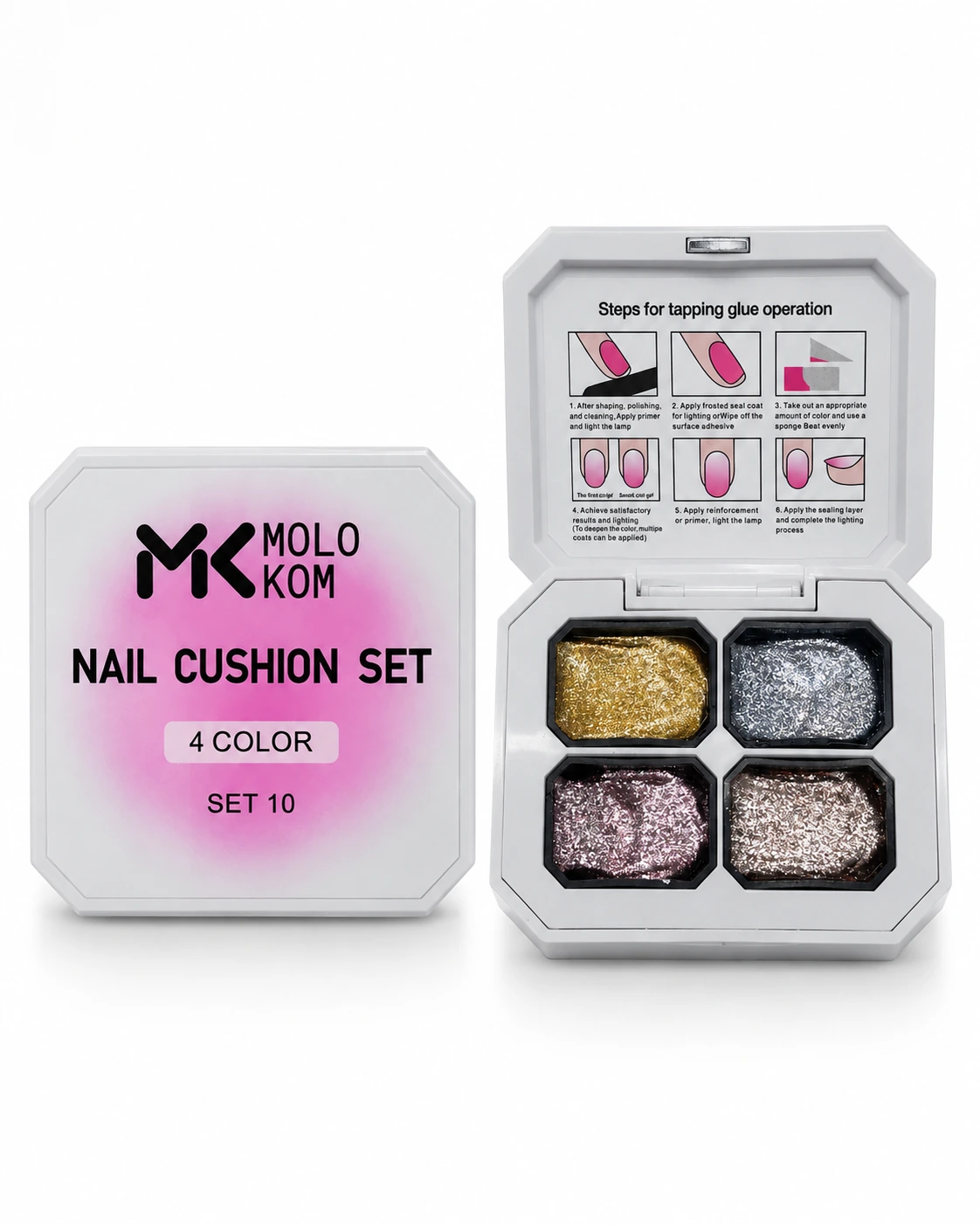
NailWiki, BELOM, NailMarket, BELOM App and NaNails are projects of BELOM Group OÜ, as identified by the owner. Molokom catalogue images are supplied through our NaNails shop; this commercial relationship is not independent product-test evidence.