Film formers in nail polish: the ingredient behind the coating
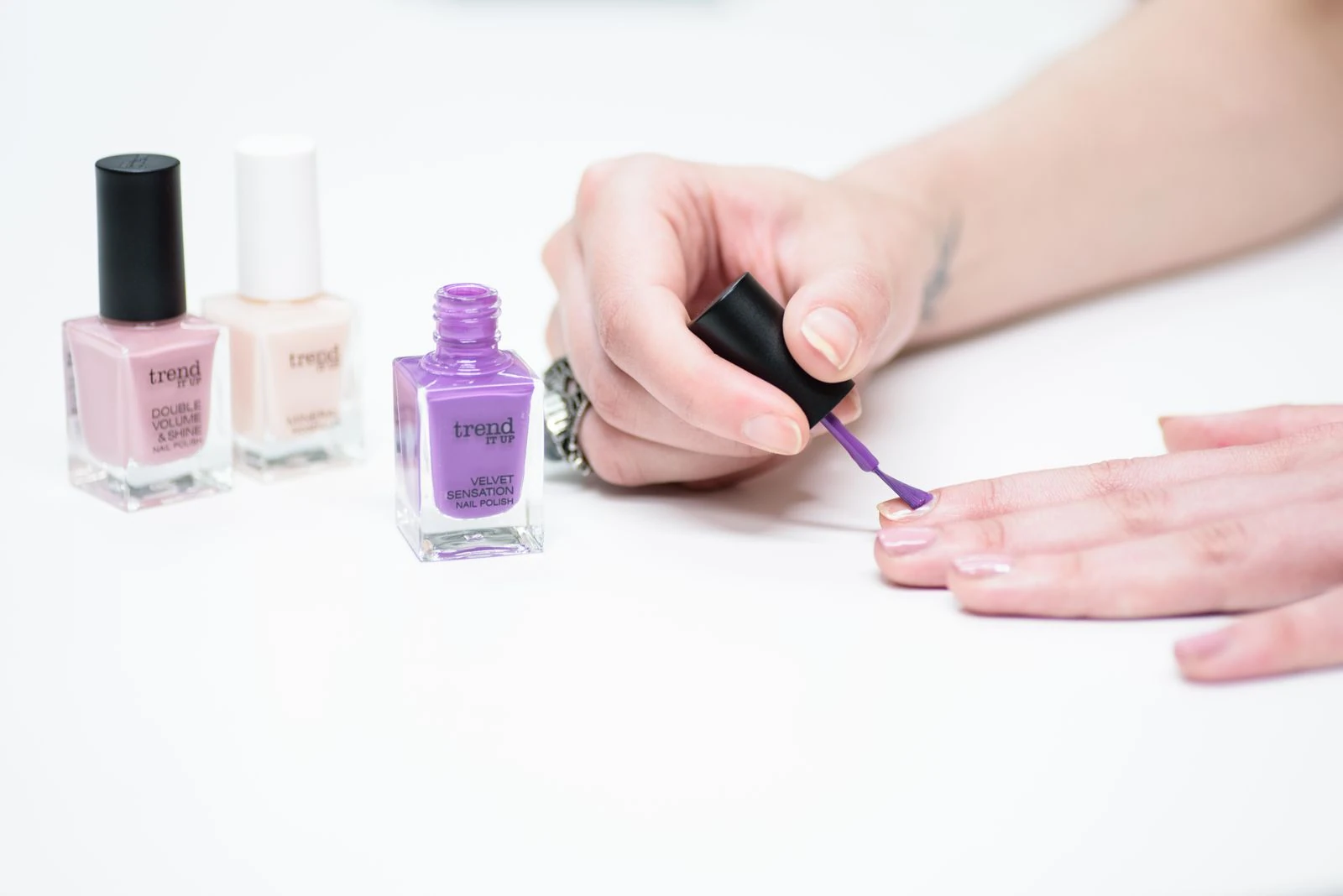
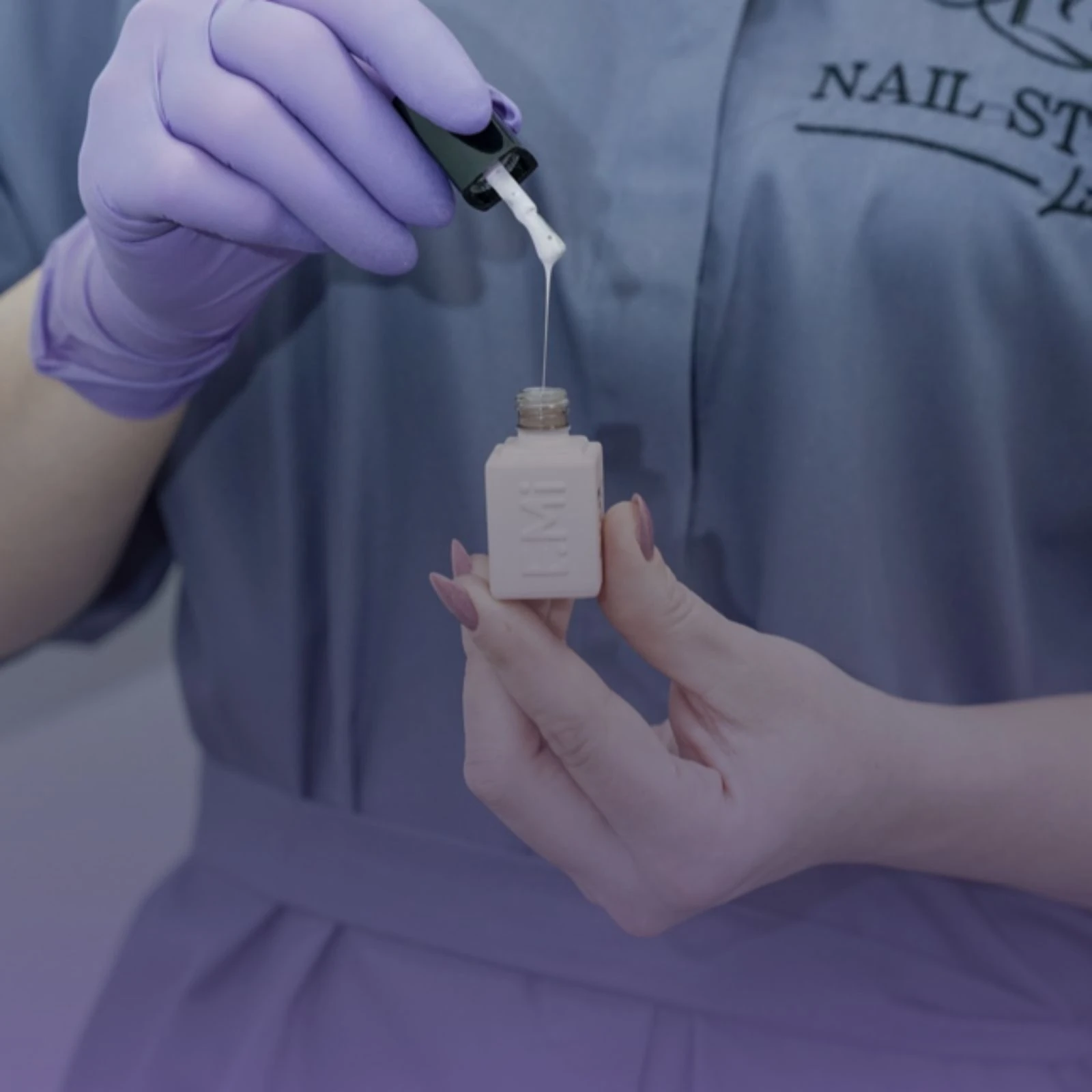
A film former is an ingredient that helps create a continuous coating. In conventional nail polish, this role is distinct from the solvent that carries ingredients in the liquid product. [1]
KEY TAKEAWAYS
A function, not a product category
DermNet identifies nitrocellulose as a nail-enamel film former. The term describes what an ingredient does within a formulation. It does not automatically mean a coating needs a lamp, nor does it make every formulation containing that ingredient interchangeable. [1]
Reading a real table
Jungbunzlauer’s demonstration formula lists several nitrocellulose grades alongside acetate solvents and other ingredients. That shows a coating can use more than one listed material grade. The table’s percentages belong to this supplier example and are not instructions for reformulating a purchased polish. [4]
An actual research example beyond nitrocellulose
Peng and colleagues’ paper, published on 10 June 2020, describes a waterborne polyurethane nail enamel and its dry film. That is a real example of another film-forming approach, rather than evidence that every polish uses nitrocellulose. NailWiki read the accessible abstract; the full subscription paper and its underlying measurements were not examined. No recipe, environmental advantage or commercial-product performance is inferred from it. [3]
From function to evidence
A film-former entry explains part of the material architecture. It cannot establish the product’s lifetime, adhesion on every surface or individual safety. The supplier demonstrator explicitly limits its guarantees. This article teaches document interpretation without mixing directions or product-performance endorsements. [1][4]
Article Sources
- DermNet — Nail cosmetics allergy
Expert reference material
Nail enamels: introductory paragraph and component table on film formers, plasticizers, solvents and colourants. The remover section supports mixtures with fatty ingredients only. Clinical, historical legal, safety and handling advice is excluded.
- NailKnowledge — Solvents
Industry educational material
The first two glossary paragraphs: solvent examples and evaporation leaving a coating. The later pathogen claim is excluded.
- Journal of Coatings Technology and Research / Springer Nature — Preparation and characterization of waterborne polyurethane nail enamel modified by silane coupling agent
Primary source
Accessible research abstract only: a waterborne polyurethane nail enamel and dry film demonstrate an alternative film former. Full paper unread; no recipe, performance/safety/environmental endorsement or product equivalence.
Published:
- Jungbunzlauer — Nail polish with CITROFOL: demonstration formulation 2019-023
Manufacturer material
PDF page 1: ingredient/INCI table; page 2: limited-stability and no-guarantee disclaimer. Formulation instructions are not reproduced.
Written and reviewed with AI assistance using the linked sources. No hands-on product testing or independent specialist review was performed.
Commercial resource from our ecosystem
Professional nail materials and tools with NailMarket.eu — a shop in our ecosystem.
NailWiki, BELOM, NailMarket, BELOM App and NaNails are projects of BELOM Group OÜ, as identified by the owner. Molokom catalogue images are supplied through our NaNails shop; this commercial relationship is not independent product-test evidence.