Viscosity and thixotropy: understanding how a gel flows
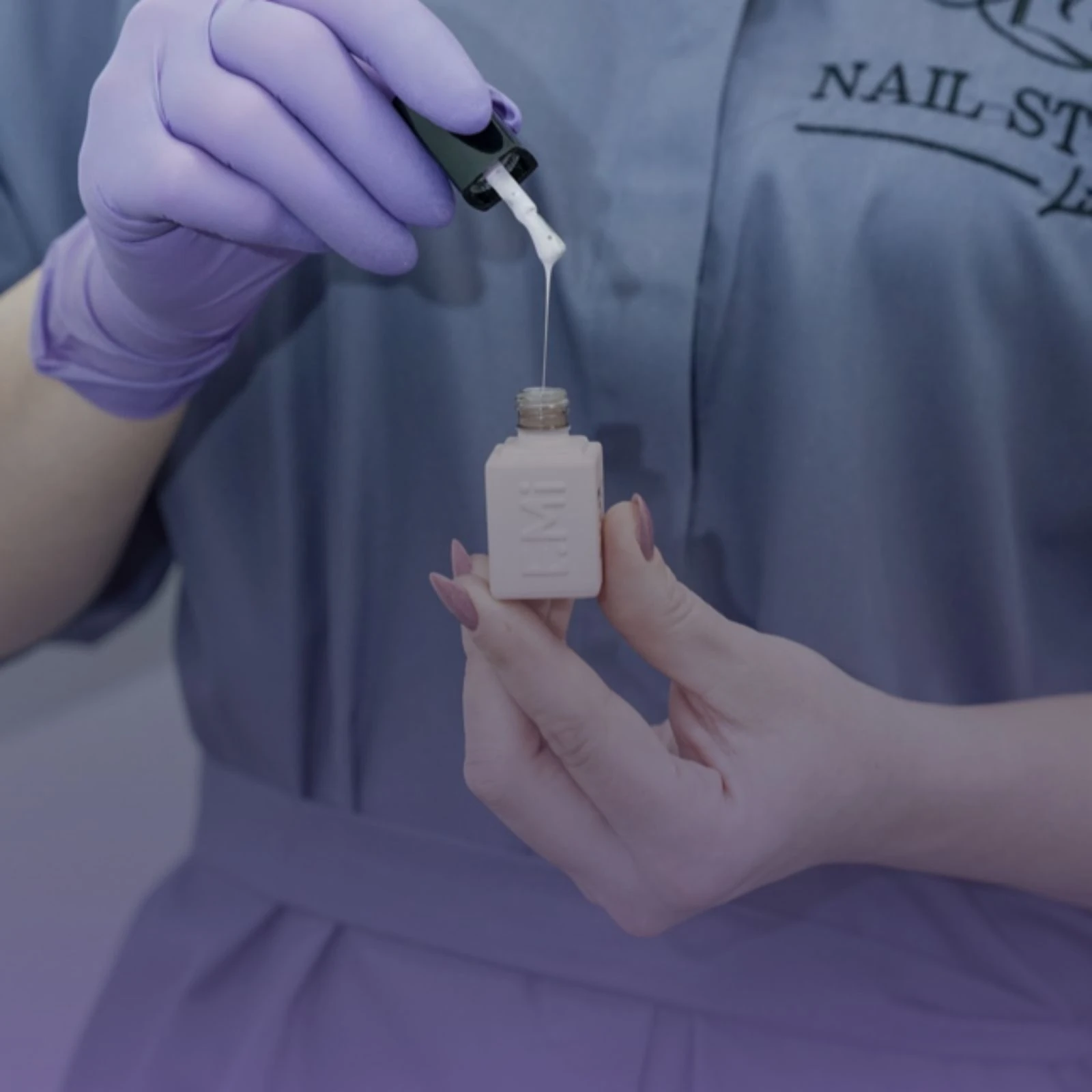
Viscosity describes resistance to flow under specified conditions. Thixotropy is a time-dependent change: a material becomes less viscous during shearing and recovers its structure during rest. A gel feeling thick in a jar does not, by itself, establish thixotropy. [1][2]
KEY TAKEAWAYS
A property measured under conditions
The instrument manufacturer Anton Paar defines shear viscosity using shear stress and shear rate. For a simple Newtonian liquid, viscosity is independent of shear rate at a fixed temperature. Other materials can have different apparent viscosities under different shear conditions. “Thick” is therefore an observation, not a full measurement specification. [1]
Shear thinning versus thixotropy
Shear thinning means viscosity decreases as shear rate increases. Thixotropy adds time and recovery: the structure changes during loading and returns during rest. Anton Paar’s explanation stresses that measuring thinning alone does not fully characterise thixotropy. [2]
What to look for in a rheology report
For viscosity, look for temperature, method, shear rate or stress, and units. For thixotropy, also look for loading duration, a recovery interval and the recovery quantity reported. Anton Paar explains why a simple ratio of viscosities at two speeds does not establish structural recovery. Compare the same method and conditions rather than ranking gels by “thick” or “self-levelling” alone. [1][2]
Article Sources
- Anton Paar — Basics of rheology
Manufacturer material
Definition of viscosity and flow-behaviour passages: Newtonian and shear-thinning behaviour, including temperature and shear conditions.
- Anton Paar — Basics of thixotropy
Manufacturer material
Definition and structural-recovery passages: recovery during rest. Comparisons require the same test method and conditions.
Written and reviewed with AI assistance using the linked sources. No hands-on product testing or independent specialist review was performed.
Commercial resource from our ecosystem
Professional nail materials and tools with NailMarket.eu — a shop in our ecosystem.
NailWiki, BELOM, NailMarket, BELOM App and NaNails are projects of BELOM Group OÜ, as identified by the owner. Molokom catalogue images are supplied through our NaNails shop; this commercial relationship is not independent product-test evidence.