The inhibition layer: why a cured gel can stay sticky on top
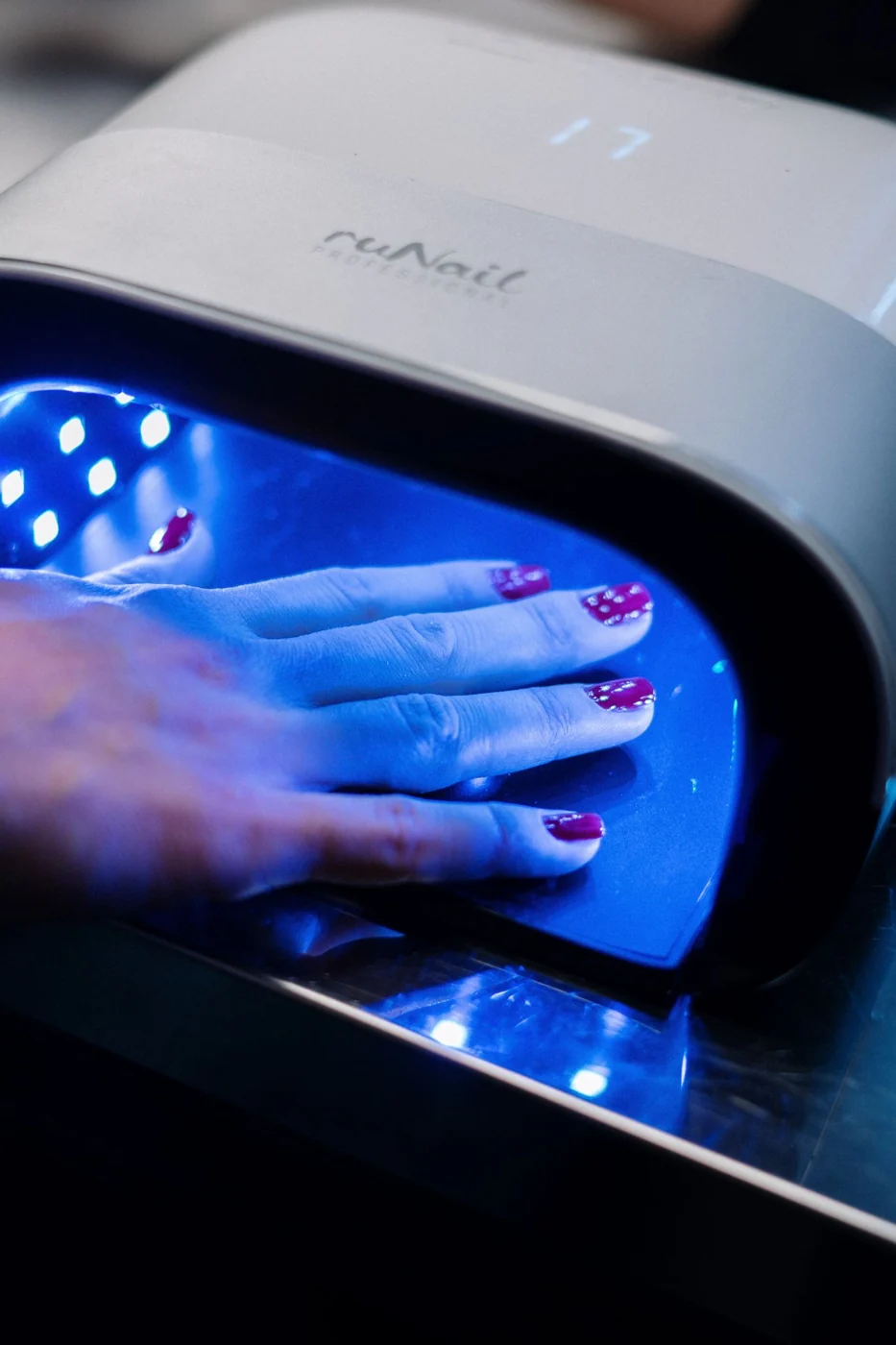
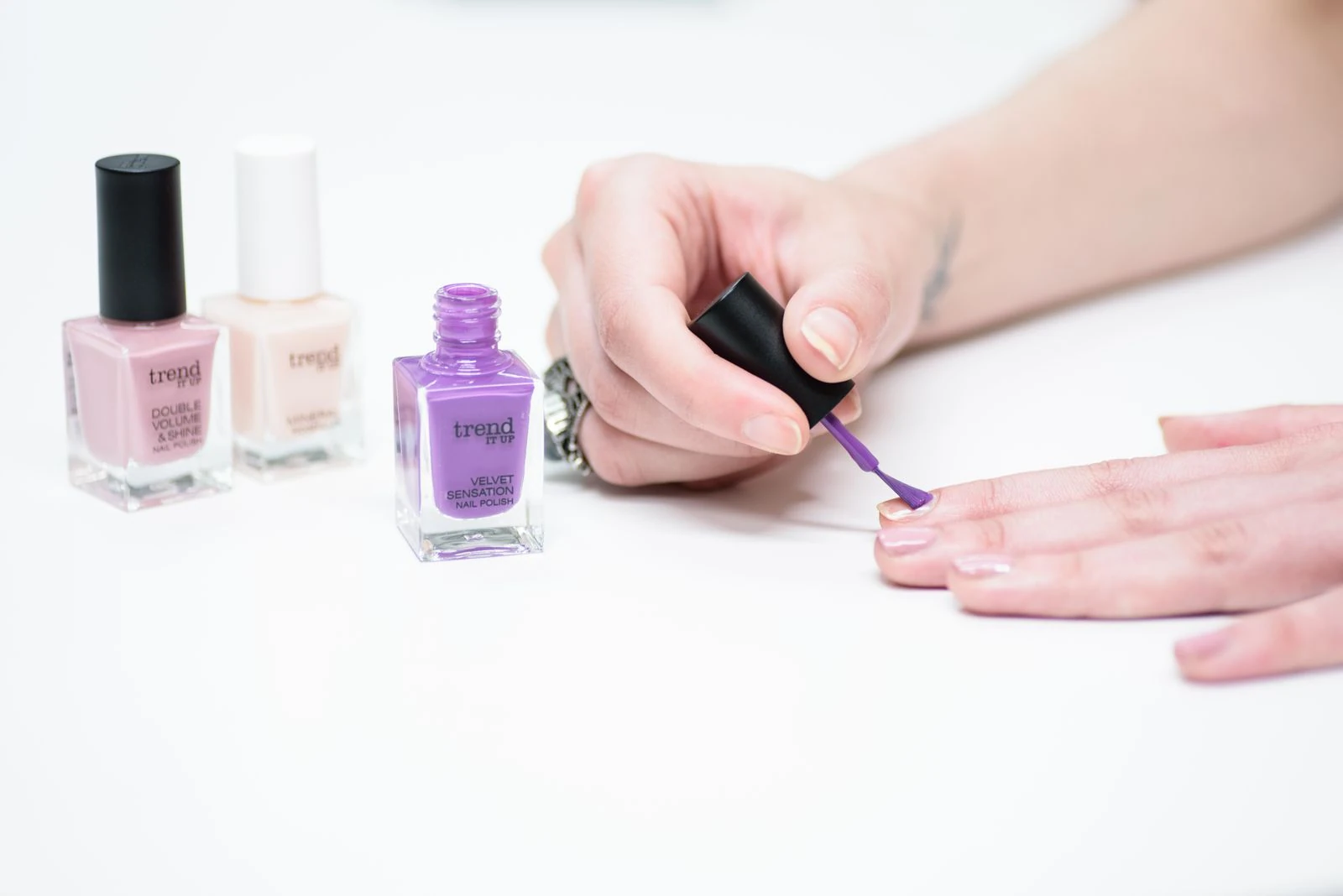
The inhibition layer is a sticky surface film of uncured or partly hardened material that can remain on a UV-cured gel. Oxygen at the air interface interferes with the chain-building reaction, so the surface can harden less readily than material beneath it. This explains a surface effect; it does not prove that the coating underneath has cured adequately. NailKnowledge educator Doug Schoon also rejects dispersion layer as a name for this film. [1][2][4]
KEY TAKEAWAYS
- The inhibition layer is the sticky surface film left on a UV-cured coating. NailKnowledge's glossary defines it as uncured product, while Doug Schoon, writing for the same site, describes the shortened polymer chains in it as semi-hardened. [1][2]
- Oxygen is the cause. A Vienna University of Technology conference paper on industrial acrylate coatings names the key step as oxygen turning the radicals that start or extend a chain into unreactive peroxyl radicals, and Schoon gives the nail-specific version: oxygen stops growing chains by blocking their ends. [1][4]
- The film forms where the coating meets the air. A TU Wien polymer-chemistry group says dissolved oxygen is used up quickly but diffusion of oxygen in from the top of thin coatings is still a challenge, and Schoon says there is less oxygen deeper down, so the lower layer can cure and harden. [1][3]
- A surface that feels dry does not prove that nothing uncured remains: the glossary warns that many products described as tack free still contain some uncured monomers. Schoon adds that long or repeated skin contact with the layer can lead to adverse skin reactions. [1][2]
What the inhibition layer is, and the names it goes by
Doug Schoon writes for NailKnowledge that curing a UV gel nail coating leaves a sticky top film, which he names the inhibition layer and attributes to oxygen. The NailKnowledge glossary defines the term as the uncured product left on a UV-curable coating's surface and uses sticky layer as an alternative name. The two sources word the film's state differently: the glossary says uncured, while Schoon describes the shortened polymer chains in the layer as semi-hardened. This article uses the phrase uncured or semi-hardened surface film to cover both, because neither source says which is more exact. [1][2]
Schoon says dispersion layer is an inaccurate name for this film. Inhibition layer identifies the relevant process: polymerisation has been inhibited at the surface. It should not be read as a separate product ingredient or a complete measure of the coating’s cure. [1]
How oxygen stops the hardening reaction at the surface
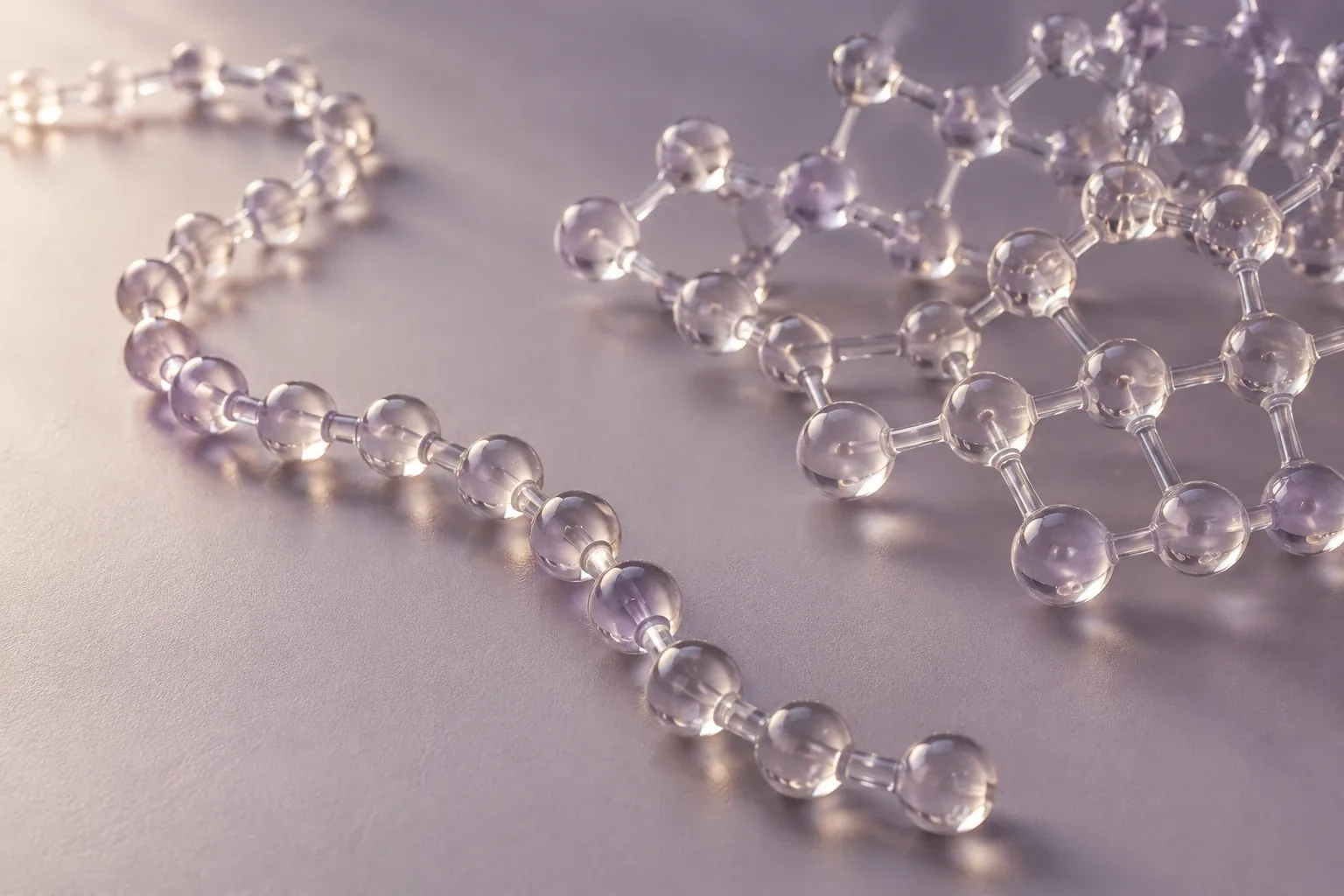
UV-curable acrylate coatings harden through radical polymerisation. The mechanism diagram in the Vienna University of Technology paper shows light acting on a photoinitiator to produce reactive species, which start chains that grow by adding monomer molecules. This is a simplified explanation of the diagram, not a product-specific formulation or curing instruction. [4]
A Vienna University of Technology conference paper on such coatings describes the underlying problem as oxygen, in its ground state, inhibiting radical polymerization, and its reaction scheme names the key step: unreactive peroxyl radicals form from the radicals that start or extend a chain. A chain end that has become unreactive cannot keep growing. Schoon puts the same point in nail terms: oxygen stops growing chains by blocking their ends, so they cannot get any longer. [1][4]
The same paper says that coatings that do not cure fully tend to perform worse mechanically and to stay tacky. It concerns industrial coatings rather than nail products, and its stated aim is to compare strategies for reducing oxygen inhibition, which this article does not cover. What it supports here is the mechanism and the link between oxygen and a tacky surface. [4]
Why only the top is affected, and what changes its thickness
Schoon explains that oxygen is less available deeper in the coating, so material below the surface can cure and harden. TU Wien’s polymer-chemistry page distinguishes oxygen already dissolved in a coating from oxygen diffusing in through its top surface. Together these accounts explain why the air-facing region can remain inhibited while polymerisation proceeds below. Neither account provides a way to certify the cure of an individual nail coating by touch. [1][3]
Schoon adds that the more quickly a UV gel cures, the thinner its inhibition layer usually is, and that slower-curing gels can leave a thicker one. That is a general statement about product behaviour, not a number: this article gives no times, thicknesses or settings, because those belong to the exact product and equipment instructions. [1]
Reading 'tack free' and 'sticky layer' wording on a product page
The glossary warns that many products described as tack free still contain some uncured monomers. Monomers are the small molecules that link into polymer chains, so for a reader comparing product descriptions the point is that a surface which does not feel sticky is not, on that evidence alone, proof that no uncured material remains. This article gives no wiping or cleaning steps; those belong in the product's own instructions. [2][4]
Illustrative example, hypothetical: a shopper compares two top-coat listings, one saying that the top leaves a sticky layer and the other calling itself tack free. Using the vocabulary above, both statements concern the surface at the air interface. Neither listing, by itself, shows how completely the gel hardened underneath or what the ingredients are; the product's own instructions and safety data sheet are the documents that can say more. [2]
Why the layer matters for skin, and what this article leaves out
Schoon states that long or repeated skin contact with the inhibition layer can lead to adverse skin reactions. Because the film is uncured or semi-hardened product, the layer is a product-safety topic as well as a cosmetic one; that framing is an editorial inference. This article gives no contact-avoidance, wiping, curing or removal steps: those depend on the exact product system and belong in its instructions and safety data sheet. [1]
The mechanism is supported by industrial acrylate-coating literature and nail-specific expert education. These sources do not supply measurements of the residual monomer content or degree of cure of a particular nail gel. The explanation therefore supports understanding the terms, rather than choosing a cure schedule or judging an individual coating’s safety. [1][2][3][4]
Article Sources
- NailKnowledge (author Doug Schoon) - The Inhibition Layer
Expert reference material
Article 'The Inhibition Layer' by Doug Schoon, published 17 June 2022 (no modified date shown): opening passage (a sticky top layer or film after every UV gel cure, 'properly called the inhibition layer', formed because of oxygen); oxygen blocks the ends of the growing polymer chains; shortened chains remaining in a semi-hardened form; lack of oxygen at deeper levels lets the lower layer cure; the sentence on faster- and slower-curing UV gels and layer thickness; the 'dispersion layer' passage; the sentence on prolonged or repeated contact and adverse skin reactions. Lamp-maintenance and removal remarks on the page are not used.
Source date:
- NailKnowledge - Inhibition layer
Expert reference material
Glossary entry 'Inhibition layer' (undated, no author shown): definition as the layer of uncured product on the surface of a UV-curable coating; the 'inhibition layer' or 'sticky layer' wording; the sentence that many products are called 'tack free' while some uncured monomers will still be present. The wiping and removal recommendations in the entry are not used.
- TU Wien, Polymer Chemistry and Technology - Oxygen Inhibition
Expert reference material
Research topic page 'Oxygen Inhibition' (undated): oxygen inhibition as one of the major problems in photopolymerizable coatings; dissolved oxygen consumed quickly while diffusion from the top in thin coatings remains a challenging problem; the pointer to the Ligon et al. overview in Chemical Reviews, 2014, which is not used. The page's remarks on nitrogen inertization are not used.
- RadTech 2014 proceedings; authors Husár, Ligon, Wutzel, Hoffmann and Liska (Vienna University of Technology) - Experimental Comparison of Various Anti-Oxygen Inhibition Strategies in LED Curing
Primary source
Abstract, Section 1 Introduction and Scheme 1 with its caption on pp. 1-2 of the PDF: inhibition of radical polymerization by ground-state molecular oxygen; incomplete curing leading generally to diminished mechanical performance and tacky surfaces; Scheme 1 step (b), formation of unreactive peroxyl radicals from initiating or propagating radical; the abstract's stated aim of comparing anti-oxygen-inhibition strategies. The experimental sections from p. 2 onward are not used.
Products and resources
A NailMarket department for top coats whose own description tells shoppers to compare whether the top leaves a sticky layer. A catalogue category only; no stock, curing or performance claim is implied. NailMarket nail top coats
Brand resource only; no technical, launch, testing or certification claim is made. BELOM equipment project