CADR: what a room air-cleaner rating does and does not show
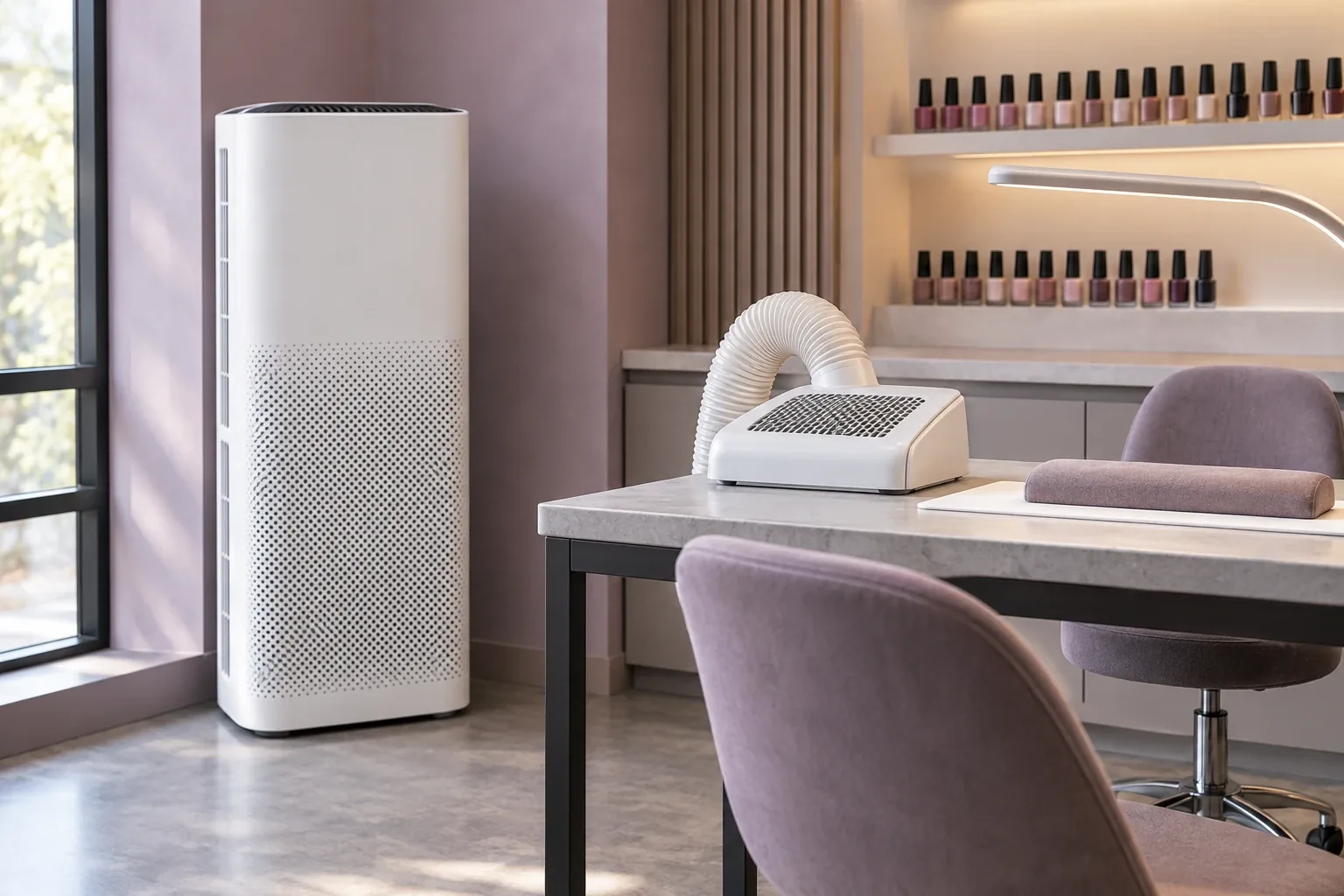
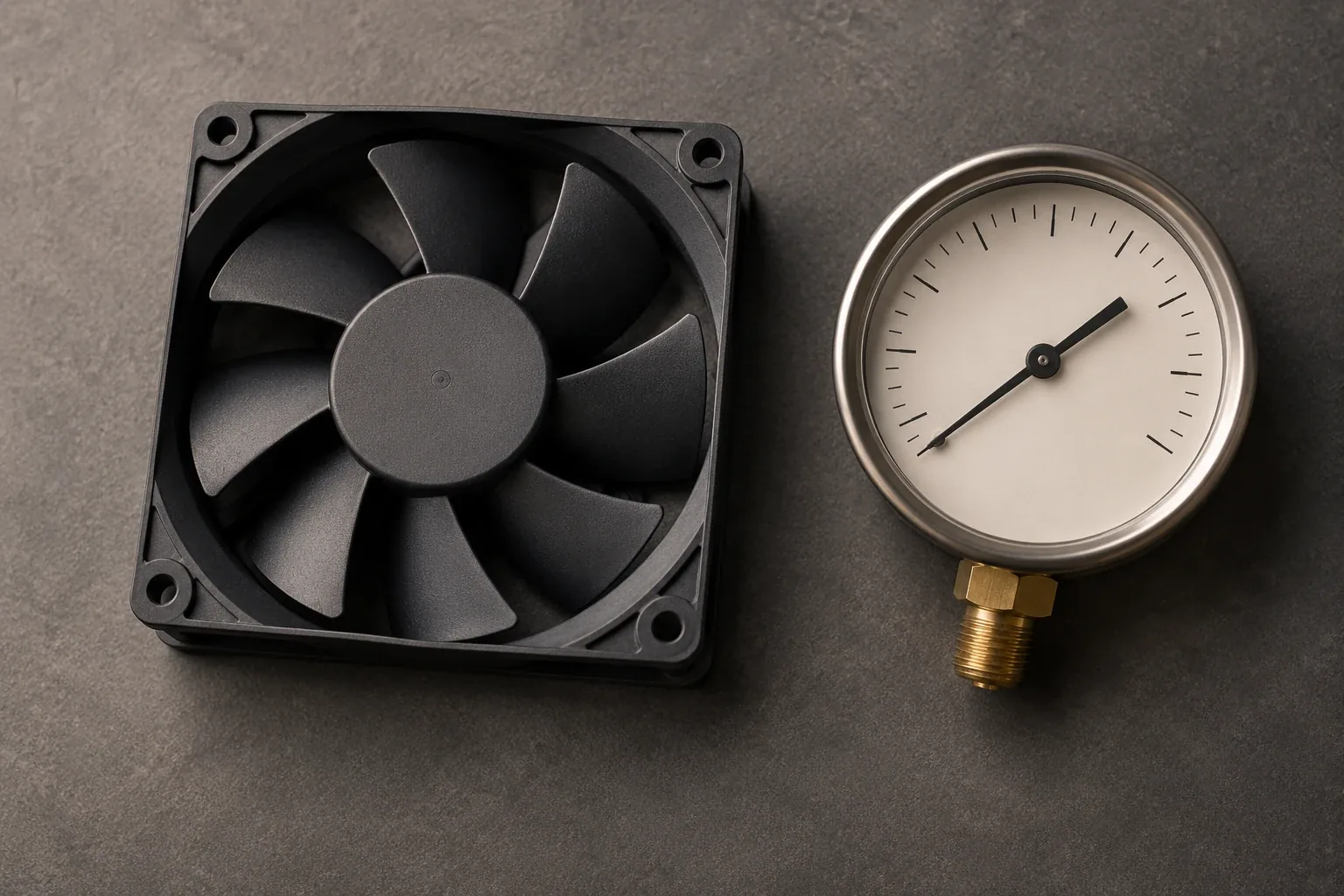
Clean air delivery rate (CADR) is the rate of relatively clean air delivered by a portable room air cleaner. EPA defines it as particle-removal efficiency multiplied by airflow and reports it in cubic feet per minute (cfm). It describes particle cleaning after air enters the device, not capture at a nail workstation. [1]
KEY TAKEAWAYS
The rating’s purpose
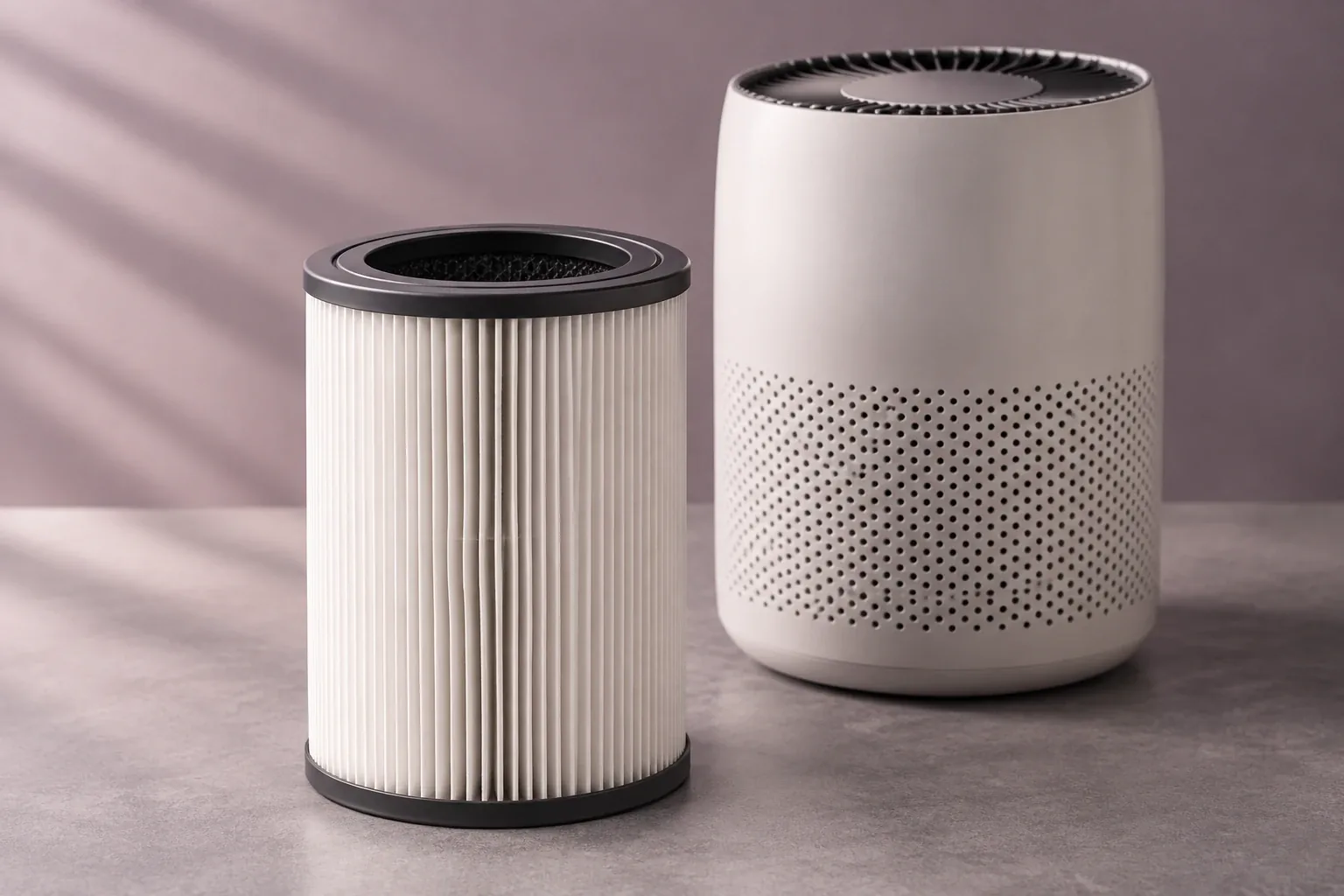
EPA explains CADR as a way to compare portable room air cleaners and their intended area. It also notes that the rating is typically measured at the highest speed. This is a stated test context, not evidence for every operating setting. [2]
Particles are specified
EPA describes separate smoke, dust and pollen CADRs representing different particle groups. A document should identify which number it reports. The same guide says the CADR system applies to particles; a high particle CADR alone does not establish removal of gases. [2]
The inlet’s location is a different test question
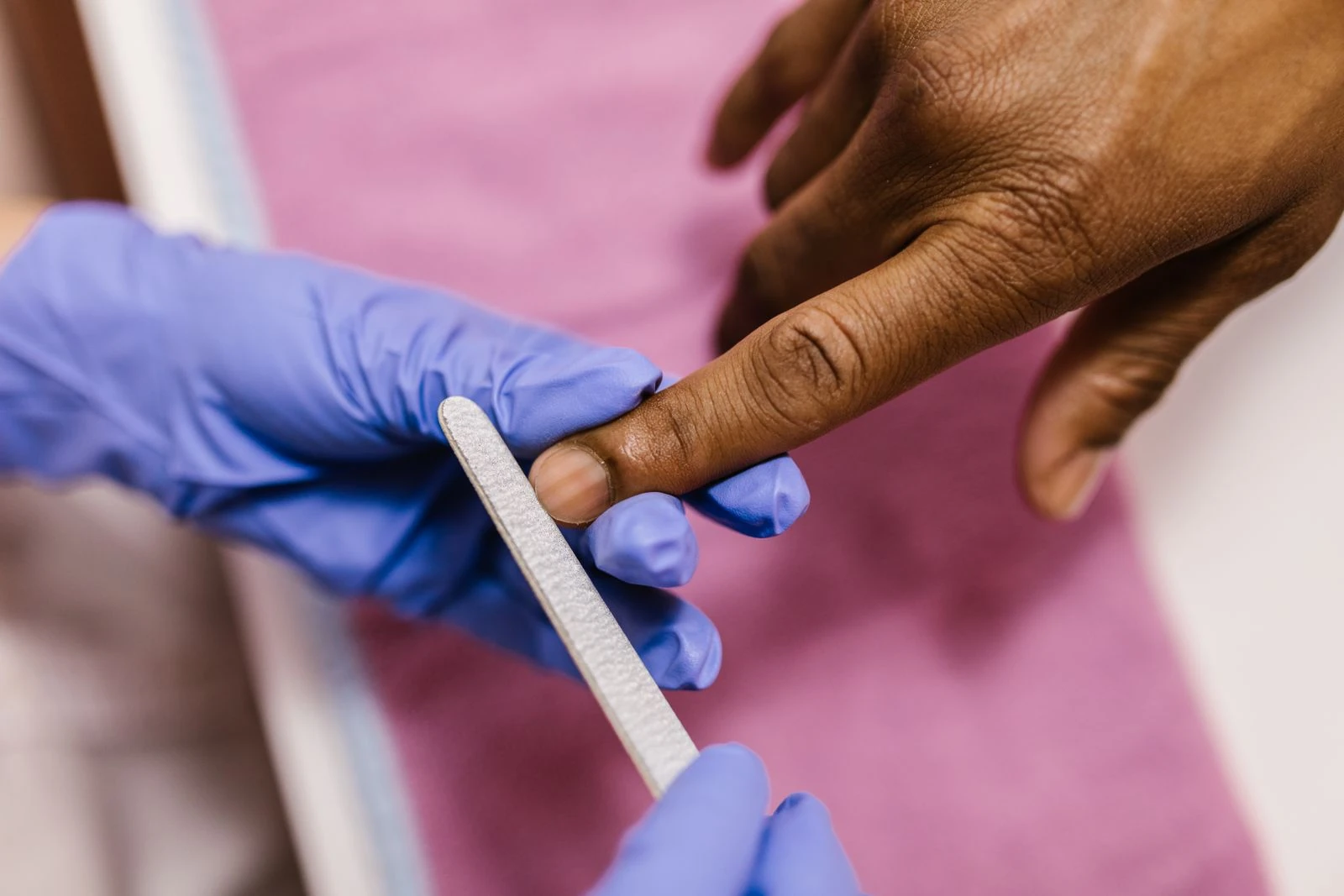
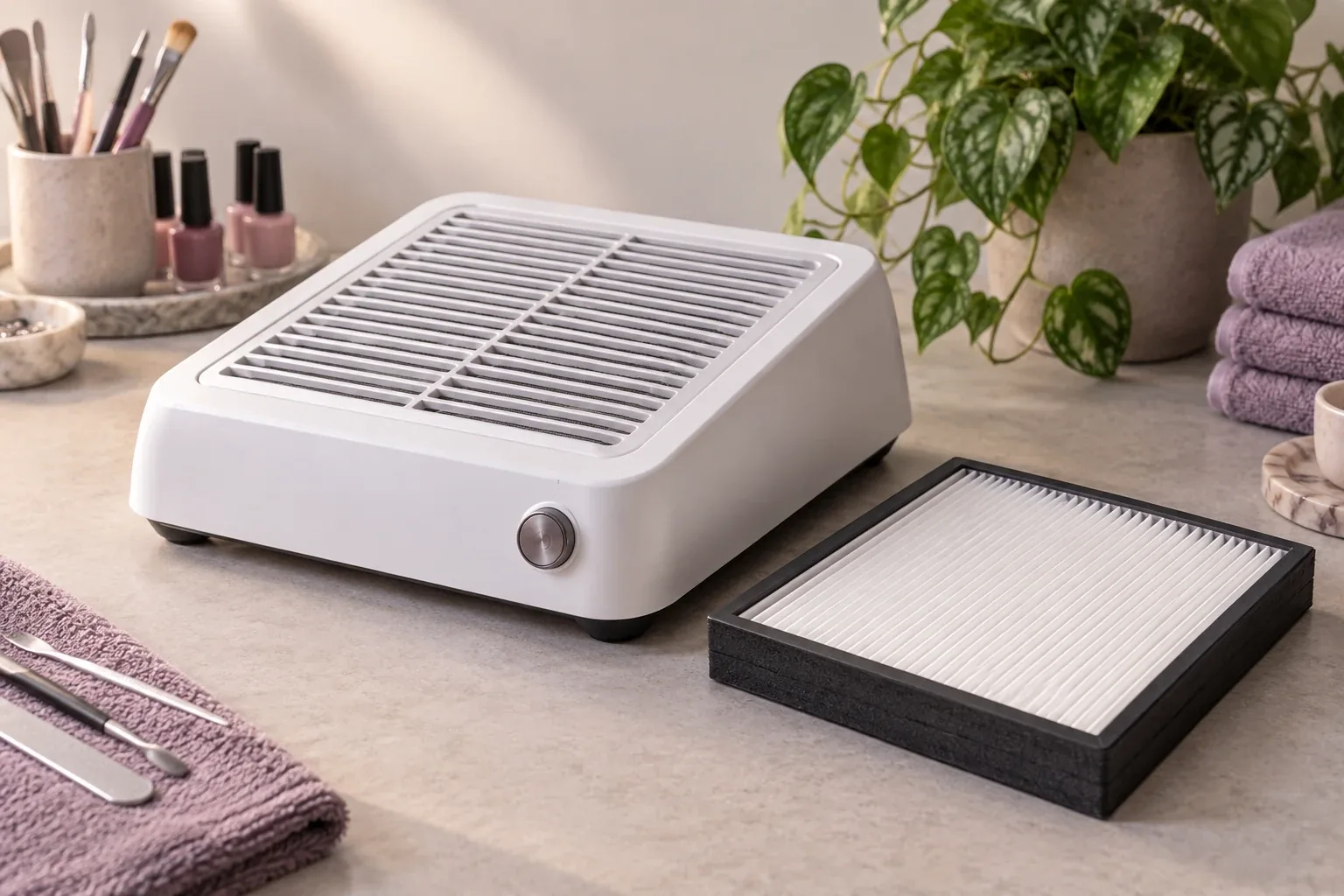
A room air cleaner treats air after particles reach the room environment. Local extraction aims to draw contaminated air towards an inlet near the source. HSE’s nail-bar engineering guide is relevant to that second question. A clean-air delivery rate from a room test does not specify the distance between a filing source, an inlet and a person’s breathing zone. [2][3]
Using the number carefully
A useful record preserves device identity, test-particle category, speed and rating method. When these are missing, a bare number cannot support a precise comparison. This explanation does not prescribe room sizing or certify occupational exposure control; EPA’s guidance concerns home air-cleaner terminology. [2]
Article Sources
- US Environmental Protection Agency (EPA) — Residential Air Cleaners: A Technical Summary, third edition
Primary source
Cover: EPA 402-F-09-002, third edition. Printed page 2: residential scope; 7–8 and 33–34: CADR/cfm, efficiency × airflow, maximum-speed ratings and noise; 16: single-pass efficiency versus effectiveness in the occupied space; 19–20: fibrous media and particle-size metrics; 22–25: loading, resistance and bypass. Printed and one-based PDF page numbers match.
Date on PDF cover:
- US Environmental Protection Agency (EPA) — Guide to Air Cleaners in the Home, second edition
Primary source
Cover: EPA-402-F-08-004, second edition. Printed pages 3–5: particle CADR, gas filtration and filter choice; page 5: highest-speed ratings and smoke/dust/pollen categories; page 6: fan-speed-dependent noise. Residential room-air guidance, not a workstation capture test.
Date on PDF cover:
- Health and Safety Executive, UK — Nail bars and other beauty services (SR13)
Primary source
Pages 1–3: local exhaust ventilation for nail work and exposure controls; UK occupational guidance, not EU legal limits.
Published:
Written and reviewed with AI assistance using the linked sources. No hands-on product testing or independent specialist review was performed.
Commercial resource from our ecosystem
BELOM develops equipment for nail professionals. Brand information is available on the official BELOM website. A commercial brand link is separate from the sources supporting this article.
Professional nail materials and tools with NailMarket.eu — a shop in our ecosystem.
NailWiki, BELOM, NailMarket, BELOM App and NaNails are projects of BELOM Group OÜ, as identified by the owner. Molokom catalogue images are supplied through our NaNails shop; this commercial relationship is not independent product-test evidence.