Decibels on equipment pages: when noise figures are comparable
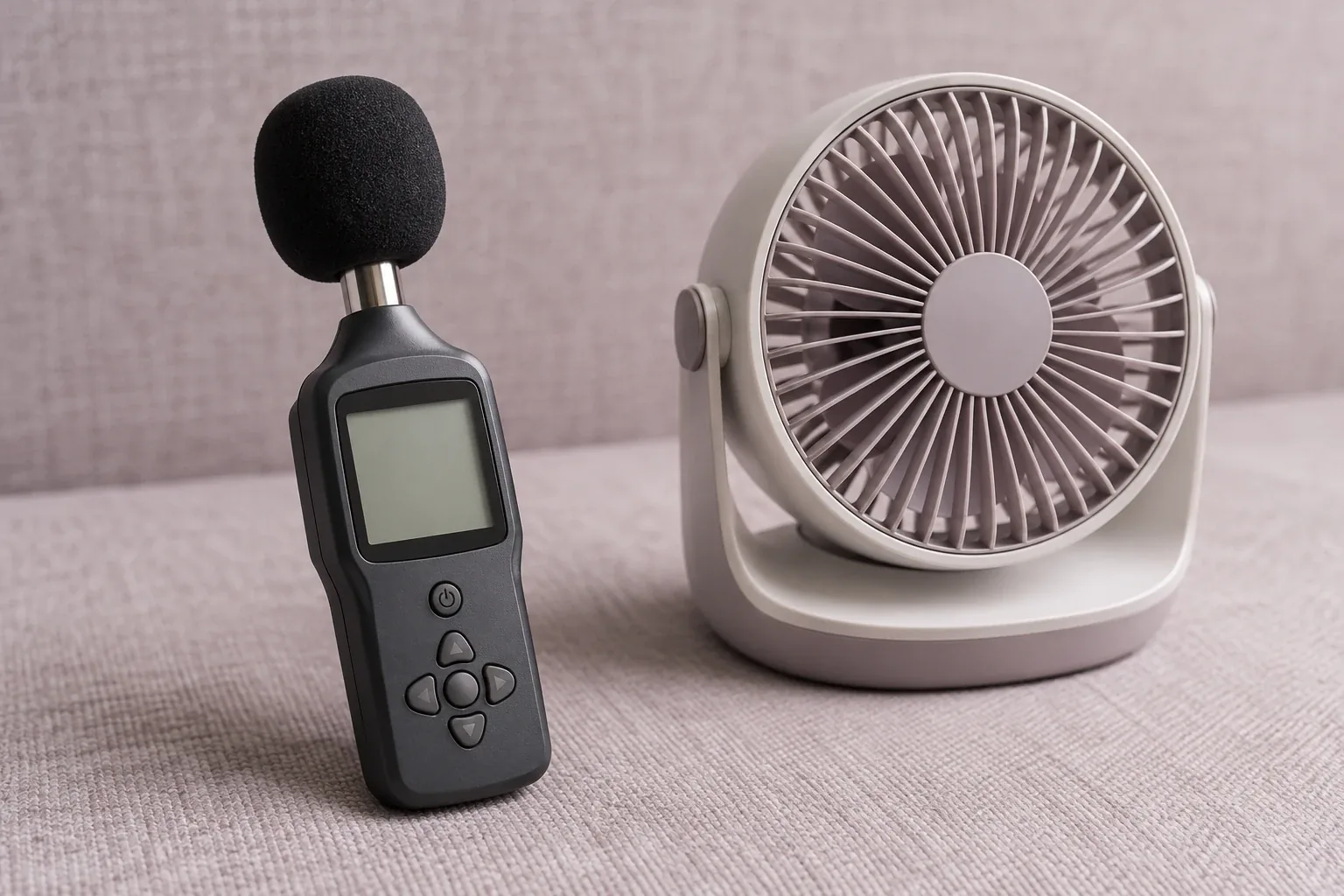
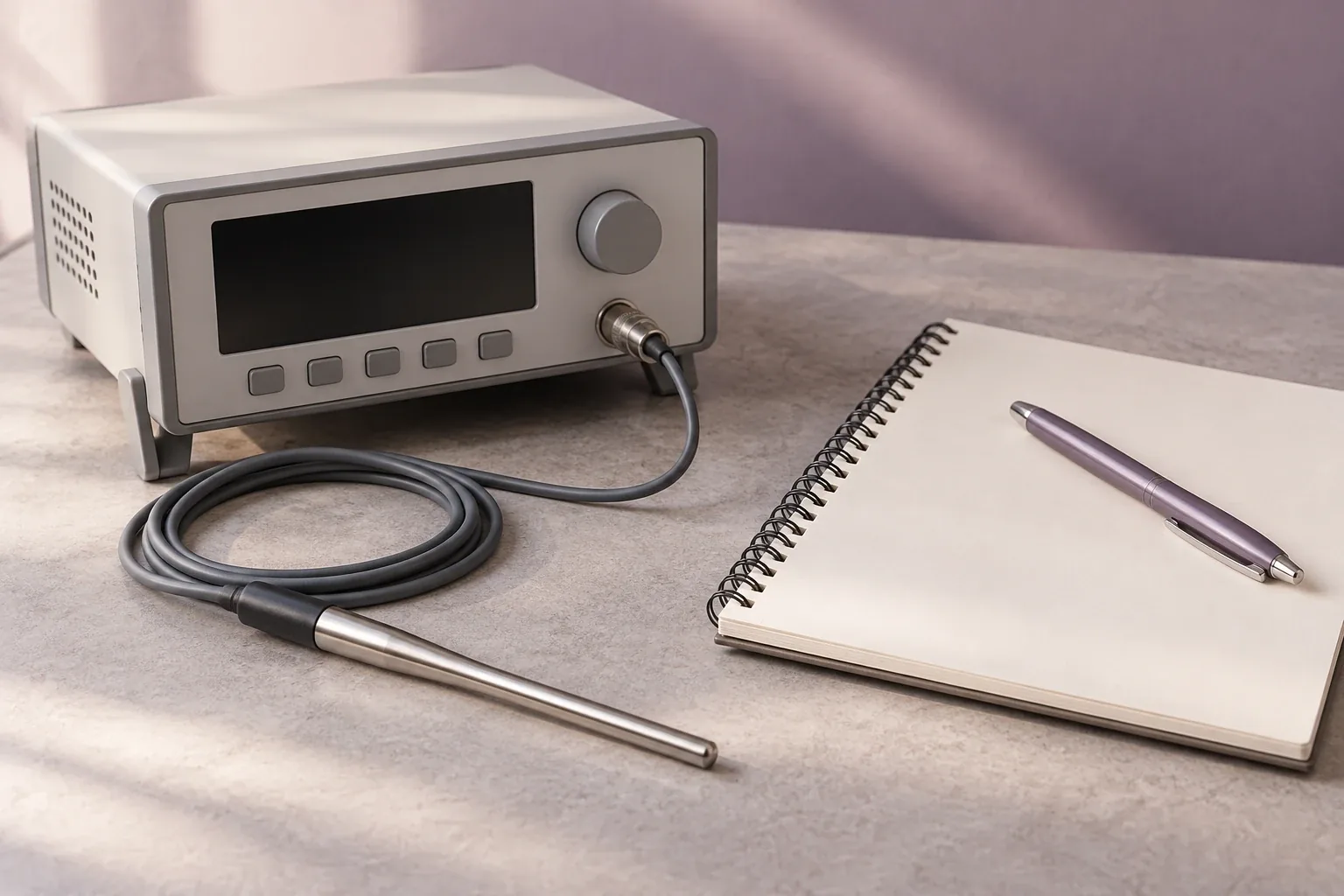
A decibel figure expresses a logarithmic level relative to a reference. Equipment pages may report sound-pressure level or sound-power level; these describe different acoustic quantities even when both are written in dB. [1][2]
KEY TAKEAWAYS
Pressure and power
OSHA’s technical explanation distinguishes sound pressure at a location from acoustic power emitted by a source. Distance and room reflections affect pressure readings. A figure for sound power cannot simply be substituted for a sound-pressure figure in a comparison table. [2]
Why a few decibels are not a percentage
A logarithmic scale turns multiplication into a level difference. For acoustic power, ΔL = 10 log₁₀(W₂/W₁): twice the power is about +3 dB and ten times the power is +10 dB. For sound pressure, ΔL = 20 log₁₀(p₂/p₁): twice the pressure is about +6 dB. These follow NIST’s level formulas under the same reference and like-for-like conditions. They are not percentages or claims about perceived loudness. [1]
What the suffix means
A, C and Z designate frequency weightings. OSHA explains that A-weighting approximates the human ear’s frequency response, emphasising middle frequencies and reducing the contribution of low frequencies. A dBA value therefore describes a weighted measurement, not a percentage of perceived loudness. The weighting still does not identify microphone position or device speed. [2]
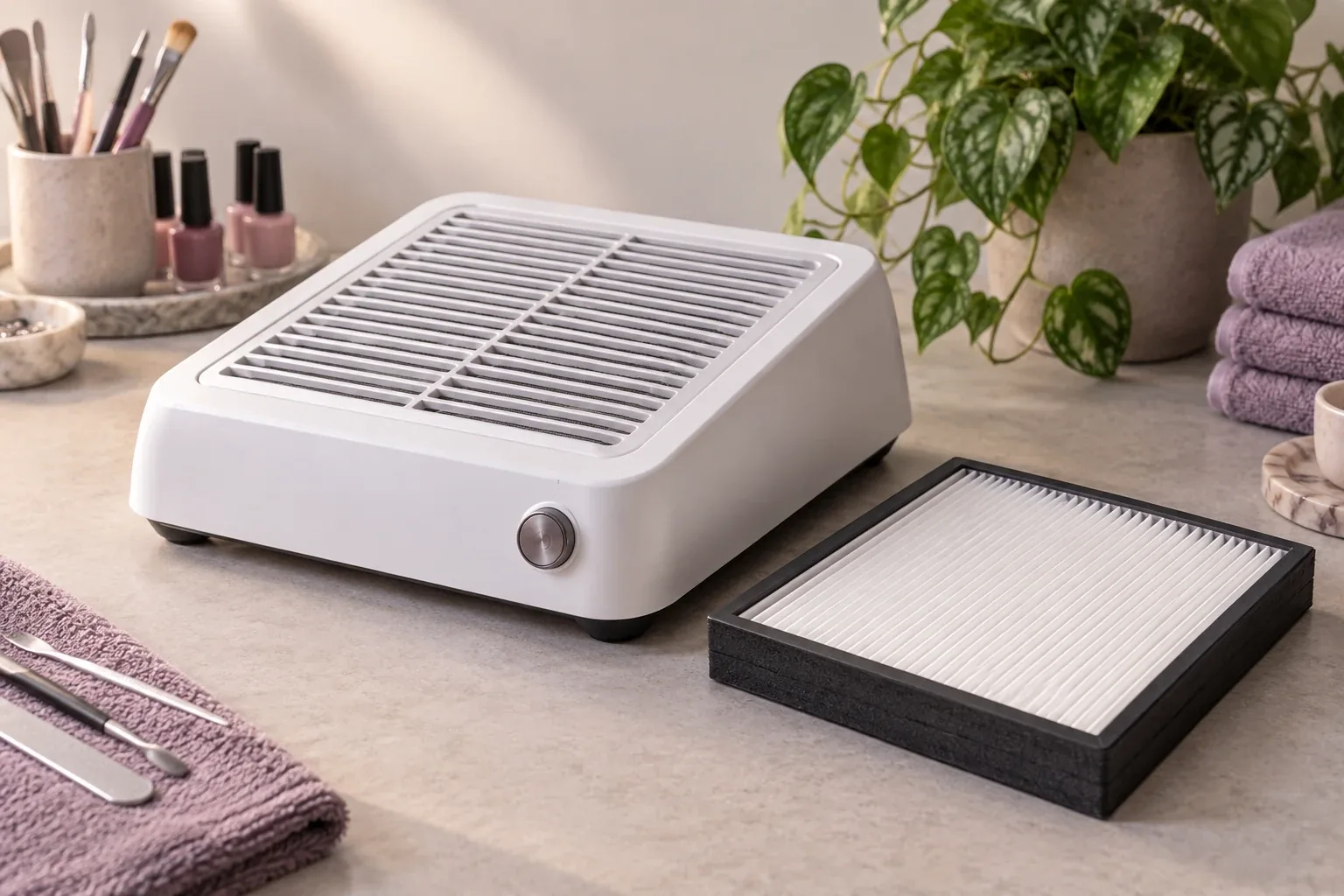
EPA also notes that an air cleaner’s fan speed can affect its noise; the operating mode belongs beside the acoustic figure. [3]
Which fields make two noise figures comparable?
Our reading: A comparable record identifies the acoustic quantity, weighting, distance or test geometry, operating mode and method. A bare quiet label answers none of these questions. This article explains ratings; it does not assess a worker’s exposure or translate a product figure into a hearing-safety conclusion.
Article Sources
- National Institute of Standards and Technology (NIST) — NIST Guide to the SI, Chapter 8
Primary source
Chapter 8: composition quantities in sections 8.6.6 and 8.6.10; logarithmic levels in section 8.7. Use the section matching the quantity discussed in the article.
Webpage updated:
- US Occupational Safety and Health Administration — OSHA Technical Manual, Section III Chapter 5: Noise
Primary source
Background, II.B.5–10: logarithmic decibels, sound fields, pressure versus power and A/C/Z weighting. Exposure thresholds and US compliance advice are excluded.
Webpage updated:
- US Environmental Protection Agency (EPA) — Guide to Air Cleaners in the Home
Primary source
Portable-air-cleaner section and Q&A: CADR covers particles at the highest speed, with pollutant categories and speed-related noise. Home air cleaning is not local nail-dust capture.
Webpage updated:
Written and reviewed with AI assistance using the linked sources. No hands-on product testing or independent specialist review was performed.
Commercial resource from our ecosystem
BELOM develops equipment for nail professionals. Brand information is available on the official BELOM website. A commercial brand link is separate from the sources supporting this article.
Professional nail materials and tools with NailMarket.eu — a shop in our ecosystem.
NailWiki, BELOM, NailMarket, BELOM App and NaNails are projects of BELOM Group OÜ, as identified by the owner. Molokom catalogue images are supplied through our NaNails shop; this commercial relationship is not independent product-test evidence.