Polish thinner and remover: two liquids with opposite jobs
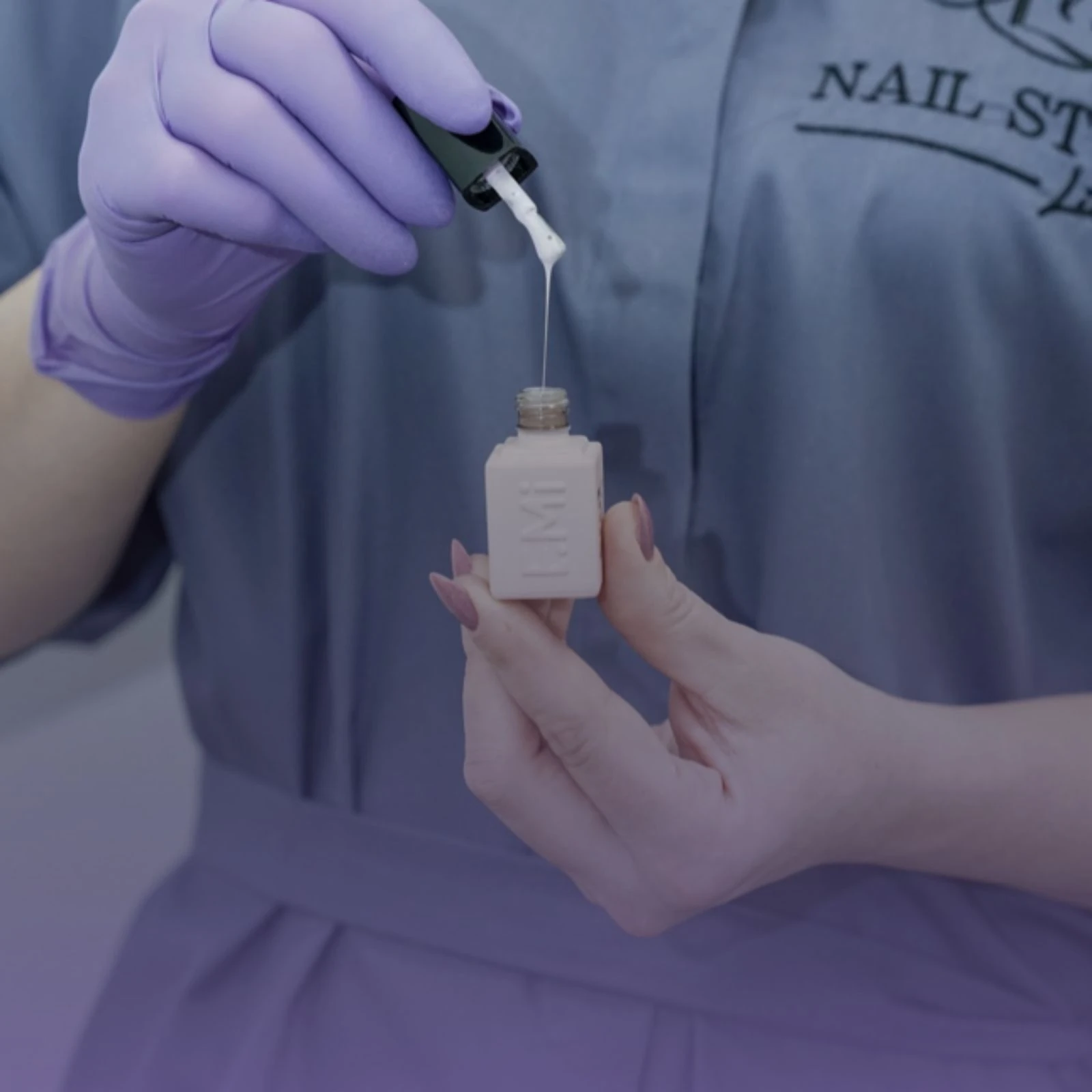
A nail polish thinner replaces solvent that has evaporated from thickened lacquer, while a remover is made to break down dried polish. The two bottles can look alike, but they do opposite jobs, which is why Kester Black warns that remover is designed to break down polish, not repair it. This guide concerns conventional lacquer and does not provide solvent-mixing instructions. [1]
KEY TAKEAWAYS
- Lacquer thickens as its solvent evaporates, and Kester Black describes a thinner as a solution formulated to replace that solvent. [1]
- A remover is designed to break down polish: OPI's Expert Touch Lacquer Remover lists acetone first and water second, while a copy of the safety data sheet for OPI Nail Lacquer Thinner lists butyl acetate and ethyl acetate as its dangerous components. [1][3][4]
- Remover formulas vary. Lab Muffin explains that adding one can change a polish’s finish, while Kester Black warns that remover is not a substitute for its intended thinner. [1][2]
Why lacquer thickens and what a thinner puts back
Lacquer can thicken as its solvent evaporates. Kester Black describes this happening as bottles are opened or stored warm, and describes a thinner as a product formulated to replace the lost solvent. Lab Muffin likewise explains thickening in terms of solvent loss. [1][2]
What a thinner contains shows up in safety documentation. A copy of the safety data sheet for OPI Nail Lacquer Thinner, naming Wella International Operations Switzerland Sàrl as supplier, printed on 24 November 2021 and reviewed on 22 August 2019, lists two dangerous components: butyl acetate (more than 50 and up to 70%) and ethyl acetate (more than 25 and up to 50%). On the OPI Matte Top Coat page, ethyl acetate and butyl acetate are also the first two ingredients, so the thinner's two components are solvents of the same kind that head a lacquer's own ingredient list. Lab Muffin makes the same point: a thinner is usually ethyl acetate or butyl acetate, two common lacquer solvents. The sheet is a copy hosted by a Czech online shop in the US OSHA format, and the product sold today may differ. [2][4][5]
What a remover is built to do
A remover works on the dried film. Kester Black says remover is designed to break down polish, not repair it. OPI's Expert Touch Lacquer Remover page lists acetone first and water second, then methyl soyate, ethylhexyl methoxycinnamate, limonene and fragrance. That ingredient order belongs to this product page, not to every remover. [1][3]
Removers are not one formula. In a 2012 post, Michelle Wong of Lab Muffin notes that water does not mix very well with ethyl or butyl acetate, and that acetone dissolves more things than those acetates, so some glitters may start to leach. Its important distinction is formula dependence: different remover ingredients can change a lacquer’s appearance, so a remover label is not a thinner compatibility statement. Kester Black is firmer, saying a remover added to polish may thin it temporarily but will also degrade the varnish, dull the finish and even alter the colour. [1][2]
| Question | Thinner | Remover |
|---|---|---|
| Stated job [1] | Replace solvent that has evaporated from a thickened polish (Kester Black) | Break down dried polish rather than repair it (Kester Black) |
| Components named in the examples read [3][4] | Butyl acetate and ethyl acetate (copy of the OPI thinner safety data sheet) | Acetone first, then water (OPI Expert Touch ingredient list) |
| If added to a thickened polish [1][2] | The use it is formulated for (Kester Black) | Can change the finish; behaviour depends on both formulas (Lab Muffin). Kester Black warns against substitution. |
Reading two labels: a hypothetical choice
Hypothetical example: a shelf holds a bottle marked lacquer thinner and a bottle marked lacquer remover, both clear. The label features that separate them are the stated job and the ingredient order: in the examples read, the thinner's two components are acetates, while the remover leads with acetone and water. Because a remover can still contain acetates, ingredient overlap alone cannot tell the two apart; that fits Lab Muffin's remark that there is no easy yes or no. A practical reading is to rely on the stated job on the label. [2][3][4]
Two limits apply. Every source here describes nail lacquer or nail polish; none of the pages read addresses gel polish. And the solvents are hazardous: the thinner's safety data sheet classifies it as a highly flammable liquid and vapour that causes serious eye irritation and may cause drowsiness or dizziness. Handling information belongs to the label and safety data sheet of the exact product in hand. [1][2][3][4]
Article Sources
- Kester Black - How to fix gluggy nail polish
Commercial source material
Article body of How to fix gluggy nail polish (24 October 2025 dateline): the sentences on the share of solvent in a polish bottle, evaporation and thickening, the definition of a thinner, and the statements that remover is designed to break down polish and can degrade the varnish, dull the finish and alter the colour.
Source date:
- Lab Muffin Beauty Science - Is it ok to add nail polish remover to your nail polish?
Expert reference material
Article body of Is it ok to add nail polish remover to your nail polish? (27 July 2012, Michelle Wong): the passages that there is no easy yes or no, that thinner is usually ethyl acetate or butyl acetate, that water does not mix well with those acetates, that acetone dissolves more things and may make glitter leach, and the conclusion about pure ethyl acetate.
Source date:
- OPI - Expert Touch Lacquer Remover
Commercial source material
OPI Expert Touch Lacquer Remover exact ingredient order beginning Acetone, Aqua/Water/Eau, Methyl Soyate, Ethylhexyl Methoxycinnamate, Limonene, Parfum/Fragrance; stated role is lacquer removal. Skin-drying marketing claim is not used.
- Wella International Operations Switzerland Sàrl (supplier named in the document); copy hosted by a Czech online shop - Safety Data Sheet (acc. to OSHA HCS): OPI Nail Lacquer Thinner
Manufacturer instructions
Section 1 Identification (trade name OPI Nail Lacquer Thinner, supplier Wella International Operations Switzerland Sàrl, printing date 11/24/2021, reviewed 08/22/2019), section 2 Hazard(s) identification (Flam. Liq. 2 H225, Eye Irrit. 2A H319, STOT SE 3 H336) and section 3 Composition (butyl acetate 123-86-4 over 50 to 70%, ethyl acetate 141-78-6 over 25 to 50%).
- OPI - Matte Top Coat
Commercial source material
Product description and ingredient list of the en-GB Matte Top Coat page: the ingredient list begins Ethyl Acetate, Butyl Acetate, Nitrocellulose, Hydrated Silica.
Products and resources
Our department lists polish removers and cuticle removers. These are different product roles; the department link does not identify any remover as a lacquer thinner or claim compatibility. NailMarket nail polish and cuticle removers
Brand resource only; no A1/A2 technical, launch, testing or certification claim. BELOM equipment project