Nail plate, nail bed and matrix: what each part does
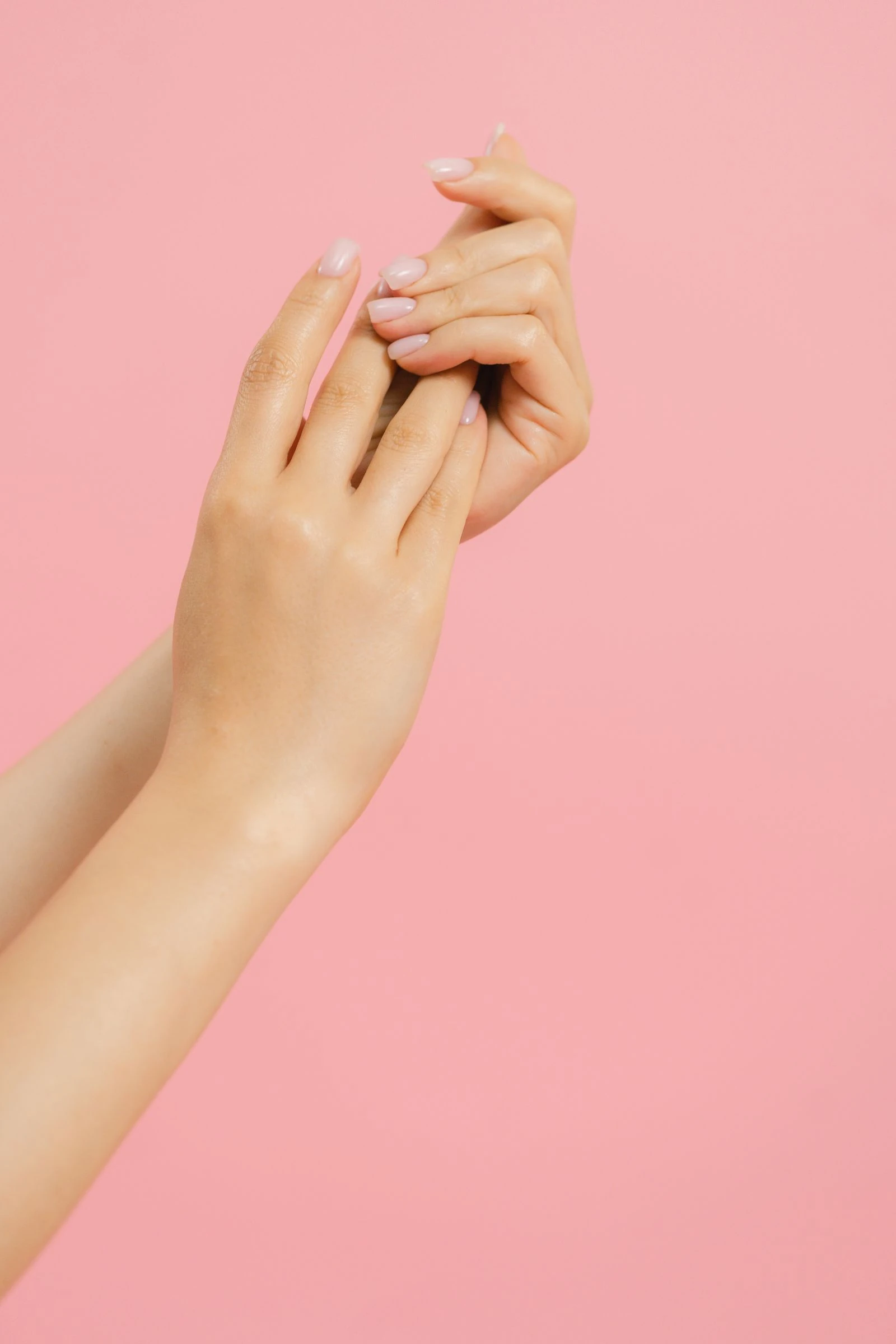
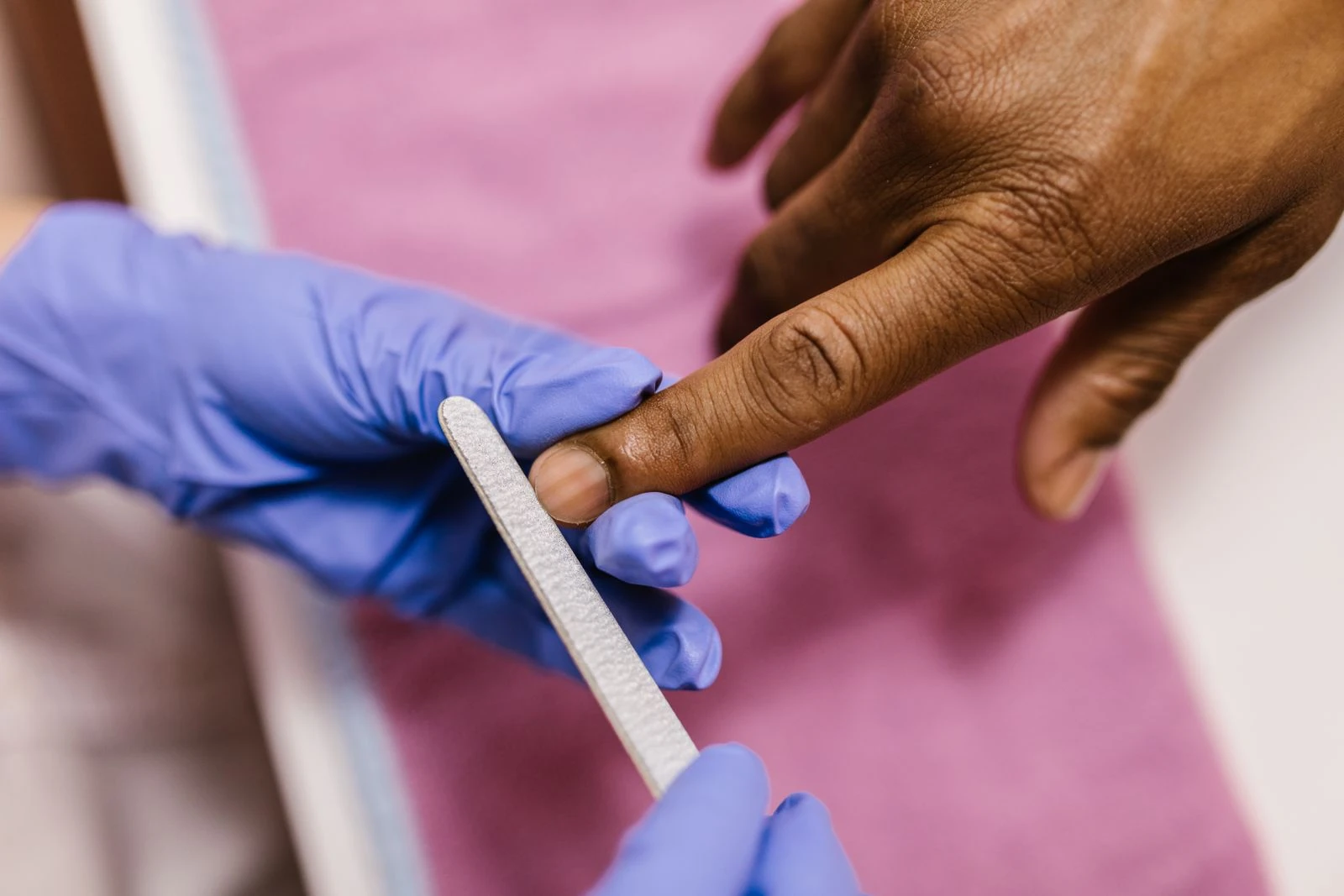
The nail plate is the visible hard part of the nail. The nail bed lies beneath it, while the matrix produces the cells that form the growing nail. These names describe different structures, even though everyday speech often calls all of them “the nail”. [1][2]
KEY TAKEAWAYS
Where a nail forms
The matrix creates new nail cells. Most of this tissue is out of sight near the nail’s base. The pale crescent called the lunula corresponds to a visible part of the matrix; its visibility differs between people. A visible crescent is therefore not a complete view of the nail’s growth apparatus. [1]
The distinction explains a common language problem: the surface receiving a coating is not the tissue producing the nail. Describing a product as acting on the plate should not silently become a claim that it changes the matrix. [1]
Plate, bed and surrounding skin
The nail bed is the area beneath the plate. Nail folds are the skin around it. DermNet describes the cuticle as a keratin sheet joining the proximal nail fold to the plate. The cuticle and the surrounding skin fold should not be treated as interchangeable names. [1][2]
Does a visible change identify the matrix?
Cleveland Clinic explicitly distinguishes matrix problems from changes affecting the nail plate, bed or folds. Seeing a mark on the plate identifies where the mark is visible; it does not identify which structure caused it. Anatomy vocabulary helps describe the location accurately, while the cause remains a separate clinical question. [1]
Article Sources
- Cleveland Clinic — Nail Matrix
Expert reference material
Overview, Function and Anatomy sections: how the matrix produces nail cells, and how the plate, bed and lunula differ. Conditions and Disorders → “How do I know if my nail matrix is damaged?”: the opening paragraph distinguishes changes affecting the plate, bed or folds from matrix damage. Medical assessment and treatment advice are excluded.
Webpage updated:
- DermNet — Nail terminology
Expert reference material
Abnormalities of the cuticle and nail fold: the opening paragraph describes the cuticle as a keratin sheet connecting the proximal nail fold and nail plate.
Medical review date:
Written and reviewed with AI assistance using the linked sources. No hands-on product testing or independent specialist review was performed.