Toner vs essence in Korean skincare: what is the difference?
Toner and essence are useful shopping labels, but they do not create a reliable texture boundary. ROUND LAB describes Dokdo Toner as water-type; Mixsoon describes Bean Essence as a lightweight hydrating layer; Pyunkang Yul calls its Essence Toner dense and essence-like. Choose the exact texture, role and directions you need rather than buying one of every label. Dokdo, Bean Essence, Essence Toner
Key takeaways
- Essence in a name does not automatically mean a thicker or stronger formula.
- Essence Toner is a concrete example of overlap between the names.
- You do not need two products simply to fill two category slots.
Three products explain the overlap
| Product | Documented description | Useful buying distinction |
|---|---|---|
| Round Lab 1025 Dokdo Toner | Water-type texture, used after cleansing | A watery toner option |
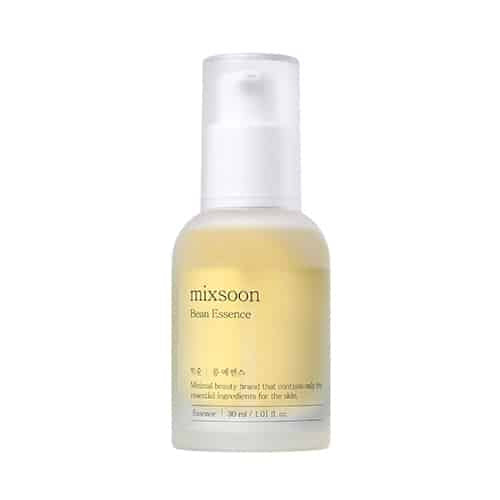
| Mixsoon Bean Essence | Lightweight hydrating formula; a pat-in method is described | A separate essence option, without assuming every essence needs rubbing |
| Pyunkang Yul Essence Toner | Dense, essence-like toner texture | A richer-described toner format despite the word Toner |
These descriptions come from ROUND LAB, Mixsoon and Pyunkang Yul. They are manufacturer descriptions of displayed editions, not a measured viscosity ranking or an authenticated EU formula comparison.
Decide what an extra layer would add
If you want a watery post-cleanse layer, compare that texture directly. If you prefer something described as essence-like, do not exclude a toner because of its name. If your existing layer already gives you the texture you want, adding another product solely because it says Essence does not identify a new task.
For example, a buyer choosing between Dokdo Toner and Essence Toner is comparing two toners with different descriptions of feel. A buyer comparing Bean Essence with either should examine its own purpose and label, not assume Essence establishes a higher active concentration.
How the application methods differ
ROUND LAB describes using its toner after cleansing with a cotton pad. Pyunkang Yul allows hands or a pad and gentle patting. Mixsoon's US page gives a pat-in AM/PM method as well as a separate massage method. For an ordinary hydrating layer, its pat-in description is the relevant example here; do not turn a different product's massage method into a universal essence instruction. Dokdo directions, Essence Toner directions, Bean Essence directions
Where to compare the exact items
See Round Lab 1025 Dokdo Toner, Mixsoon Bean Essence and Pyunkang Yul Essence Toner at NailMarket.
The direct links help compare the exact offered names and volumes. Confirm edition, availability and delivery terms for your country; no current stock, price or free-delivery claim is made here.
FAQ
Is essence always stronger than toner?
These category names do not establish active concentration. Compare the complete formula and exact product claims rather than inferring strength from the name.
Must toner always go before essence?
Use the directions for the products actually selected. The names alone do not establish a tested combined routine or prove that both are necessary.
Does Essence Toner count as two compulsory steps?
It is one named product with an essence-like texture description. It demonstrates why a category checklist is less useful than deciding what you want one layer to do.
NailWiki companion reading
Companion guides selected by NailWiki.
For the overlapping-name example, the Pyunkang Yul Essence Toner buying guide follows the exact bottle and capacity questions.
For an essence purchase in detail, the Mixsoon Bean Essence buying guide separates the chosen pack from the source edition used for ingredient information.