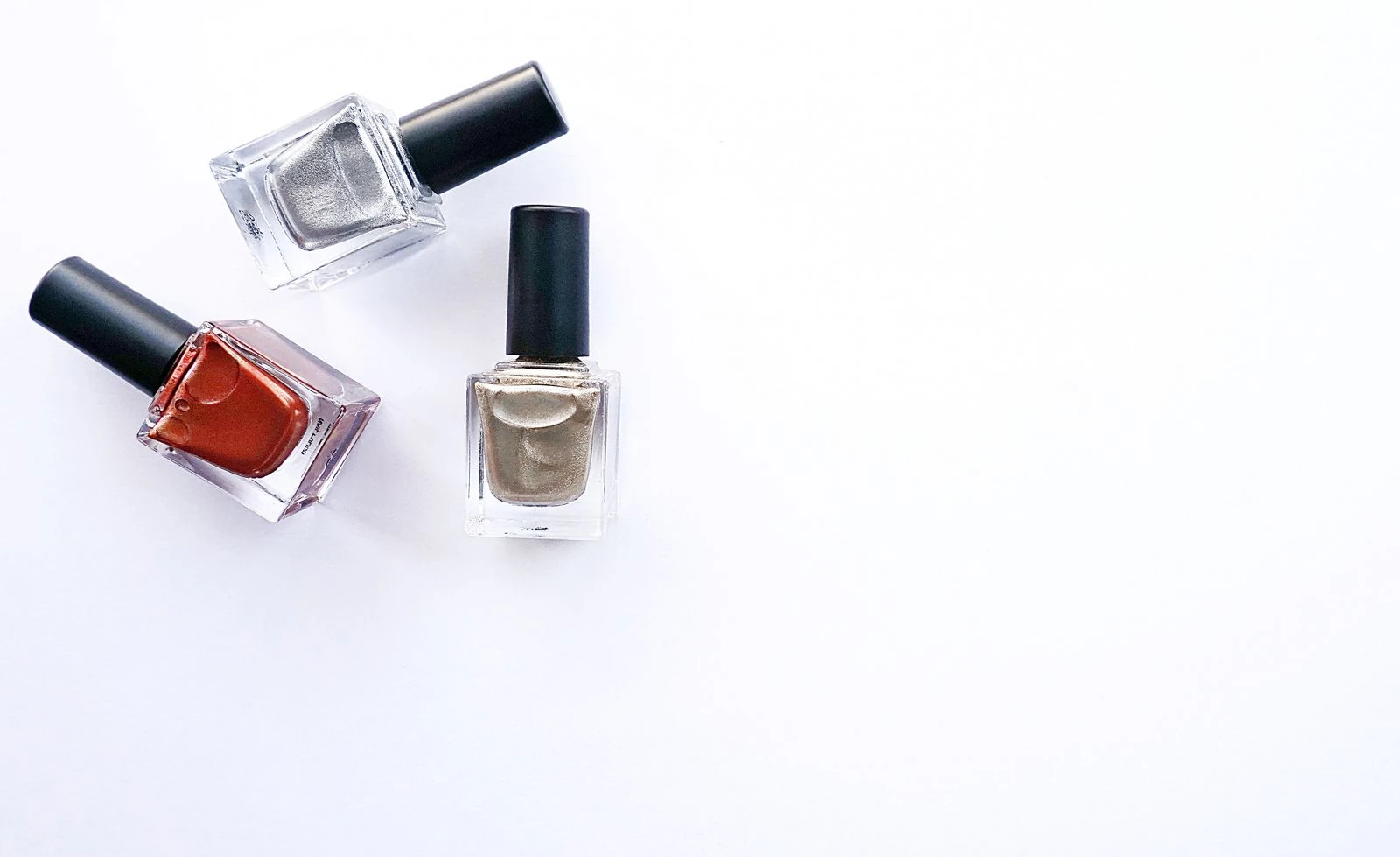
Pigments, dyes and lakes: colourants are not all the same
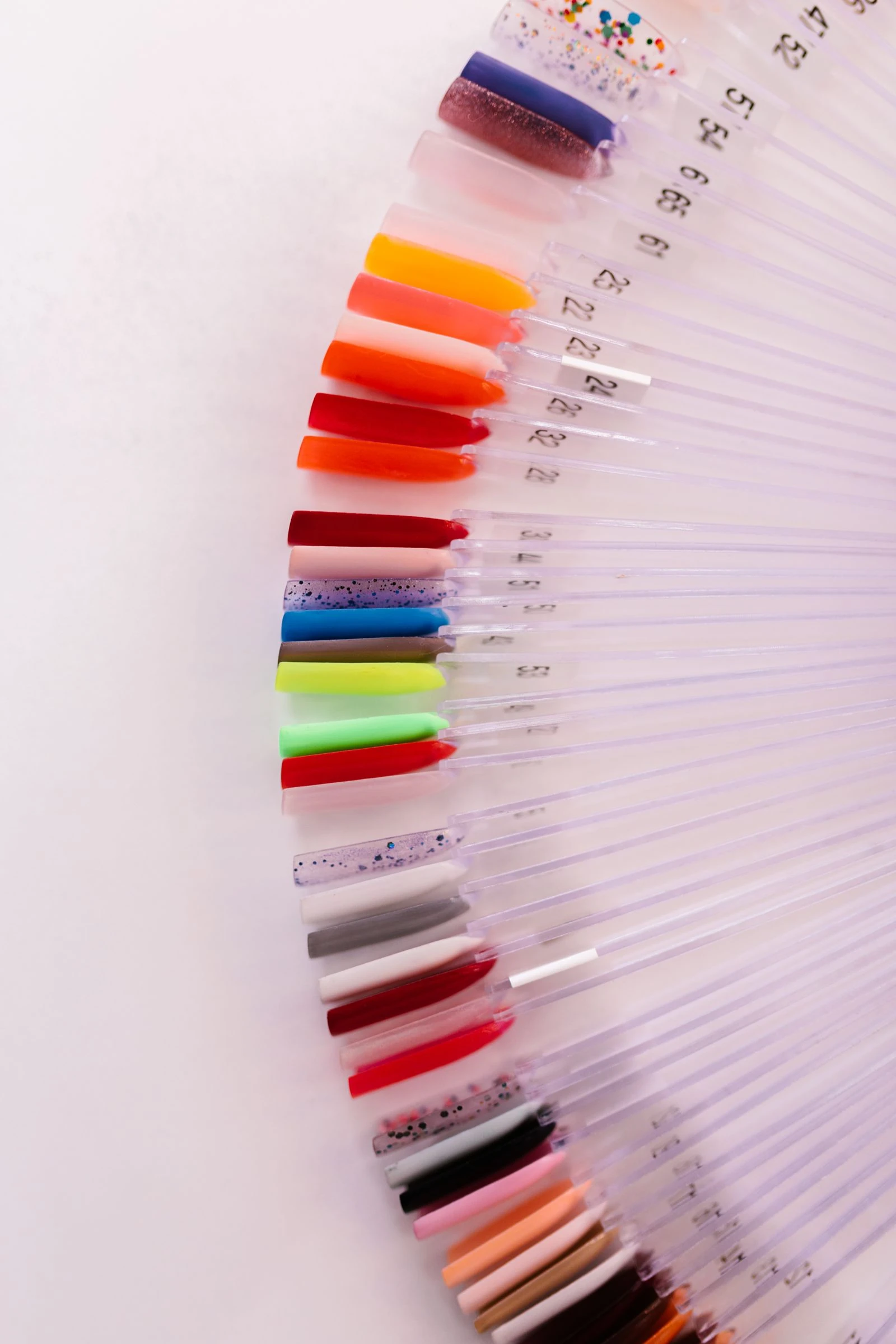
A pigment supplies colour as particles dispersed in a medium, rather than necessarily dissolving in it. A dye can be dissolved; a lake is an insoluble pigment made from a soluble colourant. [1][2]
KEY TAKEAWAYS
Particles or dissolved molecules
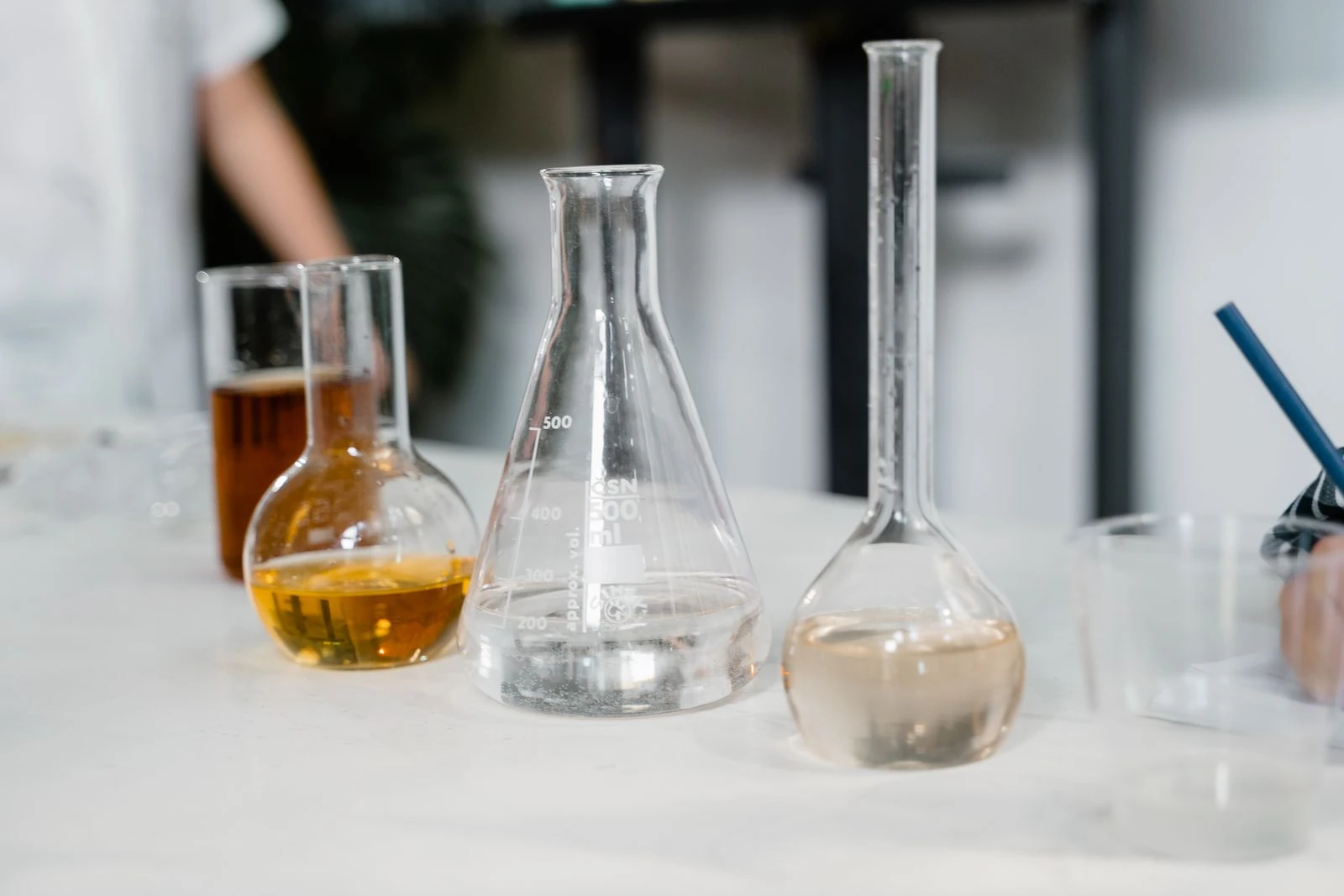
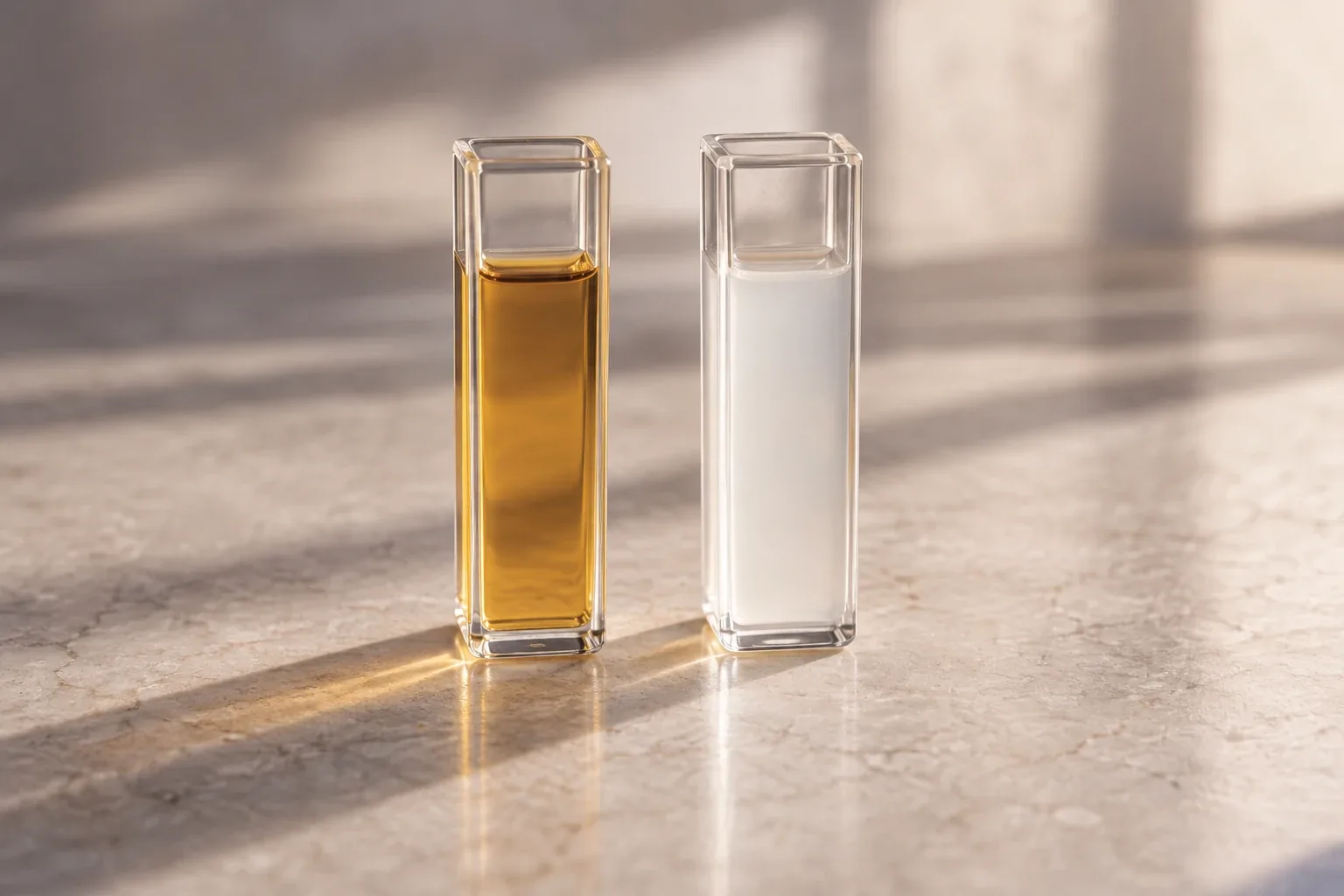
OpenStax distinguishes dissolved molecules or ions from dispersed particles. For colourants, this helps separate a coloured solution from a particulate mixture. Both can look colourful, so the hue alone cannot reveal how the colourant exists within the product. [2]
What a lake means
The FDA’s technical presentation describes lakes as insoluble pigments formed from water-soluble dyes with other components. This is a chemical-form distinction. The presentation’s US regulatory details do not establish European permission for a particular nail-product ingredient. [1]
A document-reading case
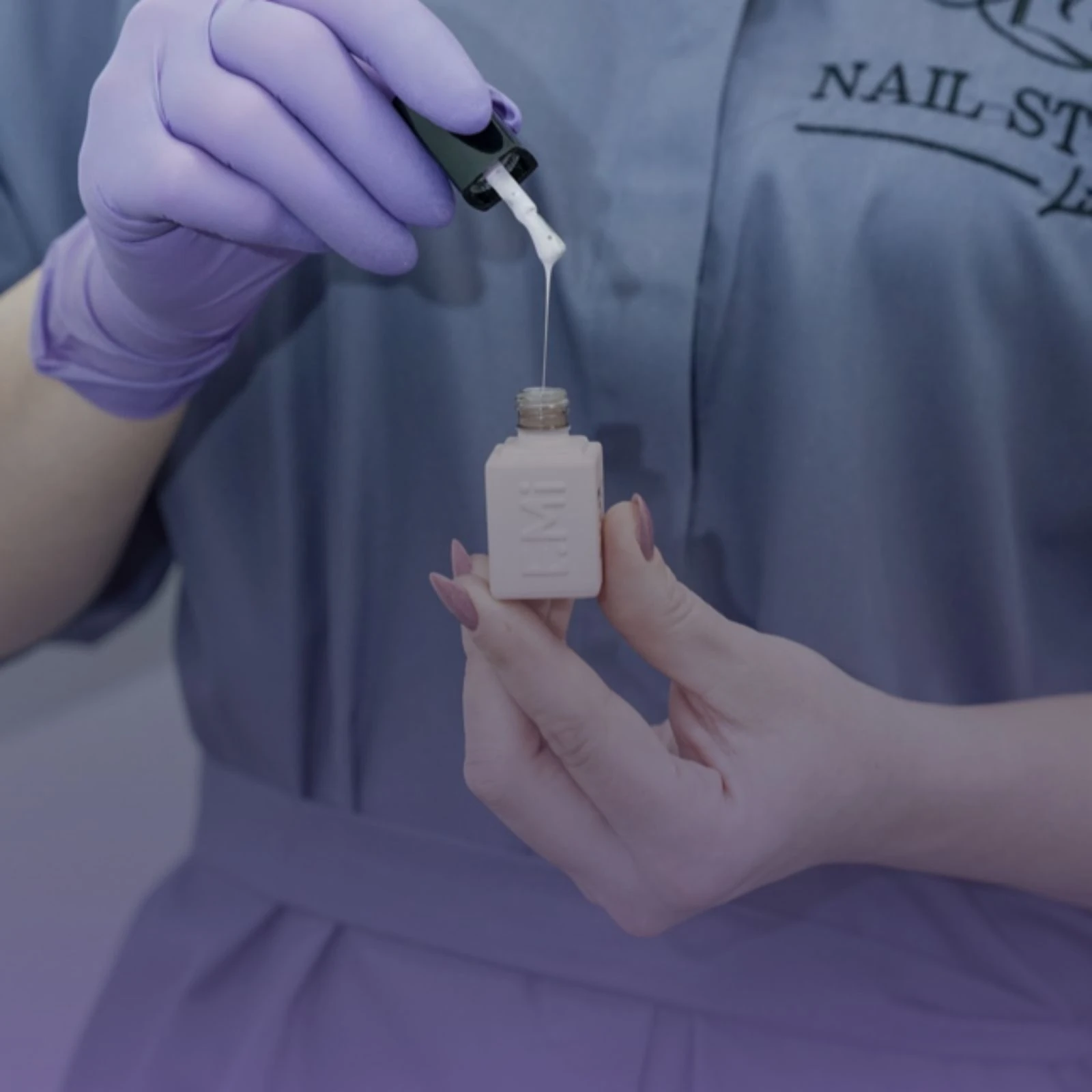
Jungbunzlauer’s nail-polish demonstrator has a row named pigment without a specific INCI colourant in that row. It identifies a formulation function, while leaving the precise colourant and final shade unspecified. [4]
From a function word to an ingredient identity
When reading an ingredient list, preserve the exact colourant name or CI identifier rather than replacing it with the broad word pigment. CosIng supports searches by ingredient names and substance identifiers, but its inventory is not approval for a finished product. A named colourant and a photograph of the resulting shade answer different questions. [3]
Where EU cosmetic colourant rules are listed
The European Commission’s CosIng notice points to Annex IV of the Cosmetics Regulation for permitted colourants and their conditions. Its glossary guidance explains the use of CI numbers for applicable cosmetic colourants other than hair colourants. A pigment/dye/lake definition describes the material; the EU entry and its conditions answer the separate permission question. The US FDA definition cited here does not replace that EU check. [3][5]
Article Sources
- US Food and Drug Administration — FDA Regulation of Color Additives in Drug Products
Primary source
Slide 5 (PDF page 5): dyes, pigments and insoluble lakes derived from water-soluble dyes. US drug-use permissions are outside the article’s scope.
- OpenStax / Rice University — Chemistry 2e, 11.5 Colloids
Educational reference material
Opening comparison and Figure 11.29: molecules/ions in solutions, suspended particles and colloidal dispersions. The following Tyndall-effect paragraph describes light scattering.
- European Commission — Cosmetic ingredient database
Primary source
Overview and search-description passages: common ingredient names, CAS/ELINCS/EINECS identifiers, records since 1976 and active versus historical entries. Important notice: the database is informative and non-binding; inclusion is not ingredient-use approval. Overview reviewed, without testing the search engine or individual records.
- Jungbunzlauer — Nail polish with CITROFOL: demonstration formulation 2019-023
Manufacturer material
PDF page 1: ingredient/INCI table; page 2: limited-stability and no-guarantee disclaimer. Formulation instructions are not reproduced.
- European Commission — CosIng – Glossary of ingredients
Primary source
Opening paragraph: Article 19(1)(g), Article 33 and INCI. More information: CI colourant names; Notes: glossary scope, not an authorised-ingredient list.
Written and reviewed with AI assistance using the linked sources. No hands-on product testing or independent specialist review was performed.
Commercial resource from our ecosystem
Professional nail materials and tools with NailMarket.eu — a shop in our ecosystem.
NailWiki, BELOM, NailMarket, BELOM App and NaNails are projects of BELOM Group OÜ, as identified by the owner. Molokom catalogue images are supplied through our NaNails shop; this commercial relationship is not independent product-test evidence.